








Quick Summary: Fox ESS supports three-phase and high-consumption homes with three-phase hybrid inverters, compatible high-voltage battery systems, and flexible storage configurations. Its product range allows installers to match inverter power and storage capacity to different household energy requirements, while FoxCloud 2.0 provides remote monitoring for ongoing energy management.
Homes with three-phase electricity, EV chargers, heat pumps, and other high-power appliances may experience complex load patterns and higher peak demand. Choosing a suitable energy storage system therefore requires more than measuring daily electricity consumption. Inverter output, battery capacity, system compatibility, and future expansion must also be considered.
What Is the Difference Between a Three-Phase Home and a High-Consumption Home?
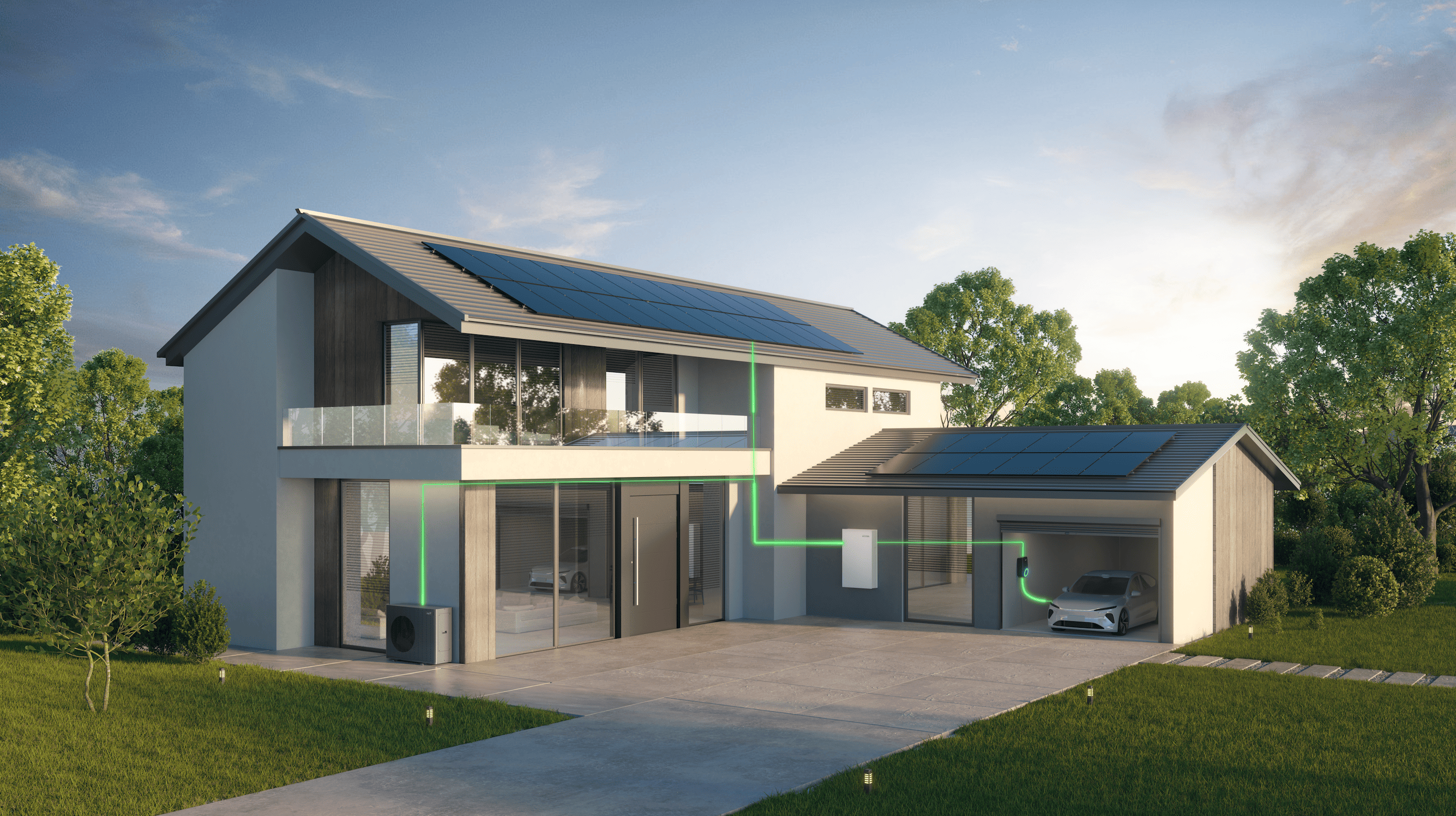
A three-phase home uses a three-phase electrical supply to support its electrical needs, while a high-consumption home is defined by its overall electricity usage and peak power demand. These categories can overlap, as a home with EV chargers, heat pumps, and other high-power appliances may require both a three-phase supply and a larger energy storage system.
Why Do Three-Phase and High-Consumption Homes Need Different Energy Storage Solutions?
Three-phase and high-consumption homes often require more careful system planning because their power and energy needs can be more complex.
Managing Higher and More Complex Household Loads
For high-consumption homes, system design must account for both total energy use and the power required at a given moment. When several appliances operate simultaneously, the household may experience a high peak load even if its average daily consumption is moderate.
System planning should therefore consider both energy capacity and power requirements, especially where several high-power loads may operate simultaneously. Homes with three-phase power also require compatible three-phase equipment.
EV Charging, Heat Pumps, and Other High-Power Loads
EV charging can add substantial demand during charging periods, while heat pumps can increase seasonal electricity consumption, particularly during colder months. If these loads operate at the same time as cooking, water heating or other major appliances, they can also raise the home’s simultaneous power demand.
A suitable system should therefore reflect actual usage patterns, peak demand, and the expected operating schedules of major electrical devices.
How Does Fox ESS Support Three-Phase Residential Energy Systems?
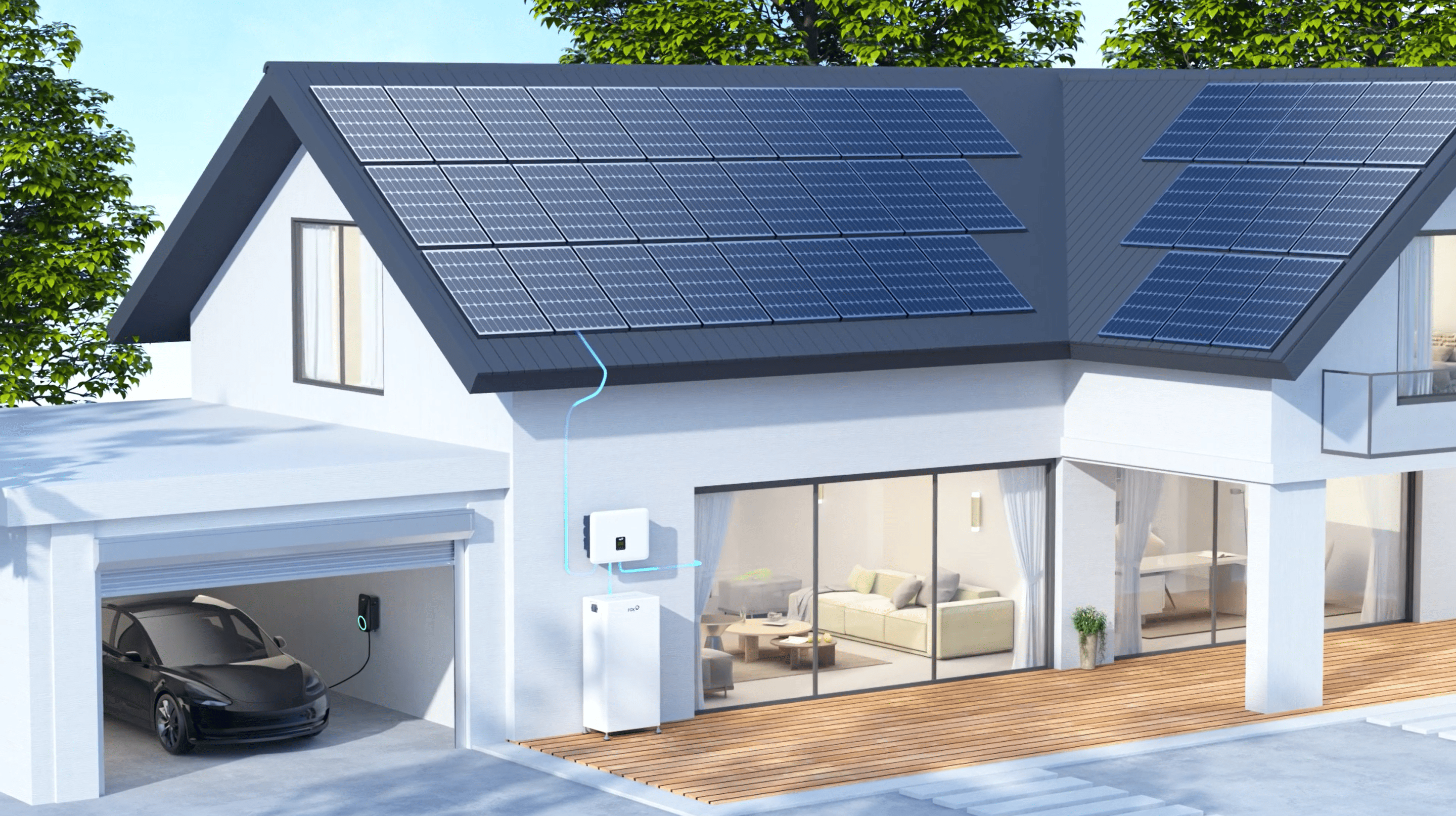
Fox ESS offers three-phase hybrid inverters designed to work with compatible Fox ESS high-voltage battery systems. This provides a foundation for configuring residential energy storage systems around different power and capacity requirements.
Three-Phase Hybrid Inverters for Different Power Requirements
Fox ESS offers multiple three-phase hybrid inverter options across different power ranges. For residential applications, the H3 Smart covers 5–15 kW and is designed for larger homes, agricultural properties, and small commercial sites with high energy demands.
The H3 Pro covers 15–30 kW and is suited to high-consumption large residences, with dual independent battery inputs providing additional configuration flexibility. These options allow installers to match inverter power to different household and site energy requirements.
For residential systems, the appropriate model should be selected according to the property’s three-phase supply, expected peak load, and the power requirements of major loads such as EV chargers and heat pumps.
High-Voltage Batteries for Residential Energy Storage
Compatible battery options include modular high-voltage systems such as the EQ5500 and CQ7, subject to the selected inverter model and regional compatibility requirements.
The EQ5500 product family covers configurations from 10.92 to 49.14 kWh, while the CQ7 range extends from 13.92 to 97.44 kWh.[1] These figures describe the overall battery-family range; the capacity supported by a specific inverter must be confirmed through the applicable compatibility documentation.
Expandable Storage for Changing Energy Needs
Household electricity demand may increase after an EV, heat pump, or additional electrical appliances are introduced. Expandable storage configurations can provide greater flexibility by allowing capacity to be planned around current needs while retaining room for supported expansion as electricity demand grows.
Which Fox ESS Energy Storage Systems Suit High-Consumption Households?
For three-phase homes, current Fox ESS options include the H3 Smart (5–15 kW) and H3 Pro (15–30 kW) hybrid inverters, which can be configured with compatible Fox ESS high-voltage battery systems.
For high-consumption households, the appropriate configuration depends on peak load, daily energy use, required storage capacity, backup needs, and future expansion plans.
| Household Need | What to Consider |
|---|---|
| Moderate three-phase loads | Suitable inverter power and battery capacity |
| Higher simultaneous loads | Required inverter output and peak-load capability |
| EV and heat pump demand | Peak demand and operating schedules of major loads |
| Higher daily energy use | Sufficient usable battery capacity |
| Future demand growth | Expandable battery configuration |
A home with moderate three-phase loads may require less inverter output than a property with multiple high-power loads. Higher simultaneous demand may require greater inverter output, while higher daily energy consumption may call for more usable battery capacity.
The final configuration should be confirmed through a detailed load assessment and installation review.
How Should Homeowners Plan a Three-Phase Energy Storage System?
Planning a three-phase energy storage system requires balancing power demand, storage needs, and future household energy use.
Consider Peak Power, Not Only Daily Energy Consumption
A battery’s kWh rating indicates how much energy it can store, whereas an inverter’s kW rating relates to power conversion and delivery. A home can have moderate daily consumption but still experience high peak demand when several appliances run together.
Match Inverter Power with Simultaneous Loads
Homeowners should identify major devices that may operate at the same time, including EV chargers, heat pumps, heating and cooling equipment, water heaters, and kitchen appliances. This helps installers assess the required inverter output.
Size Battery Storage Around Usage Patterns
Battery capacity should reflect daily consumption, peak usage periods, desired energy-shifting objectives, and applicable time-of-use tariffs. Households aiming to cover more of their evening electricity use may have different storage needs from those requiring longer backup coverage.
Allow for Future Expansion
Possible future additions, such as an EV, heat pump, or other electrical appliances, should be considered during system planning. This can help ensure that the selected configuration remains adaptable as household demand changes.
What Are Fox ESS’s Main Strengths for Three-Phase and High-Consumption Homes?
Fox ESS supports these more demanding residential applications through a combination of three-phase power conversion, flexible battery storage, and digital energy management.
Three-Phase Hybrid Inverter Options Across Different Power Ranges
The H3 Smart and H3 Pro cover different power ranges for three-phase residential applications, giving installers greater flexibility when matching inverter output to household load profiles.
High-Voltage and Expandable Battery Storage
Fox ESS offers high-voltage battery systems designed to work with compatible hybrid inverters. Selected battery configurations also support expansion, helping households adapt storage capacity as energy requirements change.
Remote Monitoring and System Management
FoxCloud 2.0 allows users and installers to monitor supported system information through a smartphone app or web portal, providing greater visibility into system operation and household energy use.
Why Are Flexible Residential Energy Systems Becoming More Important?
As residential energy use becomes more complex, flexible system design is becoming increasingly important for adapting to changing household energy needs.
What Does EUPD Research Show About the European Residential Storage Market?
EUPD Research expects Europe’s residential battery storage installations to increase from 11 GWh in 2025 to 15 GWh in 2026, representing a 36% annual increase.[2] Germany remains the largest residential storage market, followed by Italy, the Netherlands, the UK, and Austria.
This continued growth highlights the increasing role of residential storage as household electricity use becomes more flexible and electrified.
From Battery Sizing to Whole-System Planning
As households add EVs, heat pumps, and other electrical loads, system selection increasingly involves more than battery size. Inverter power, three-phase compatibility, usable capacity, scalability, and monitoring capabilities must be considered together as part of a more integrated residential energy storage ecosystem.
Fox ESS supports this type of whole-system planning through three-phase hybrid inverters, compatible high-voltage battery systems, expandable storage configurations, and FoxCloud 2.0 monitoring capabilities.
Conclusion: Supporting More Flexible Residential Energy Use
Three-phase and high-consumption homes require a coordinated assessment of inverter power, battery capacity, simultaneous loads, system compatibility, and future expansion.
Fox ESS addresses these considerations through its three-phase hybrid inverter range, compatible high-voltage batteries, expandable storage configurations, and FoxCloud 2.0 monitoring platform. The appropriate solution should ultimately be selected according to each property’s electrical supply, consumption patterns, peak loads, site conditions, and long-term energy plans.
References
[1] Fox ESS. “Downloads: Datasheets, Manuals & Resources.” Available at: https://www.fox-ess.com/download/datasheets
[2] EUPD Research. “Europe’s Battery Storage Boom Accelerates as 2026 Installations Set to Jump 78% YoY.” 2026. Available at: https://eupd-group.com/europes-battery-storage-boom-accelerates-as-2026-installations-set-to-jump-78-yoy/