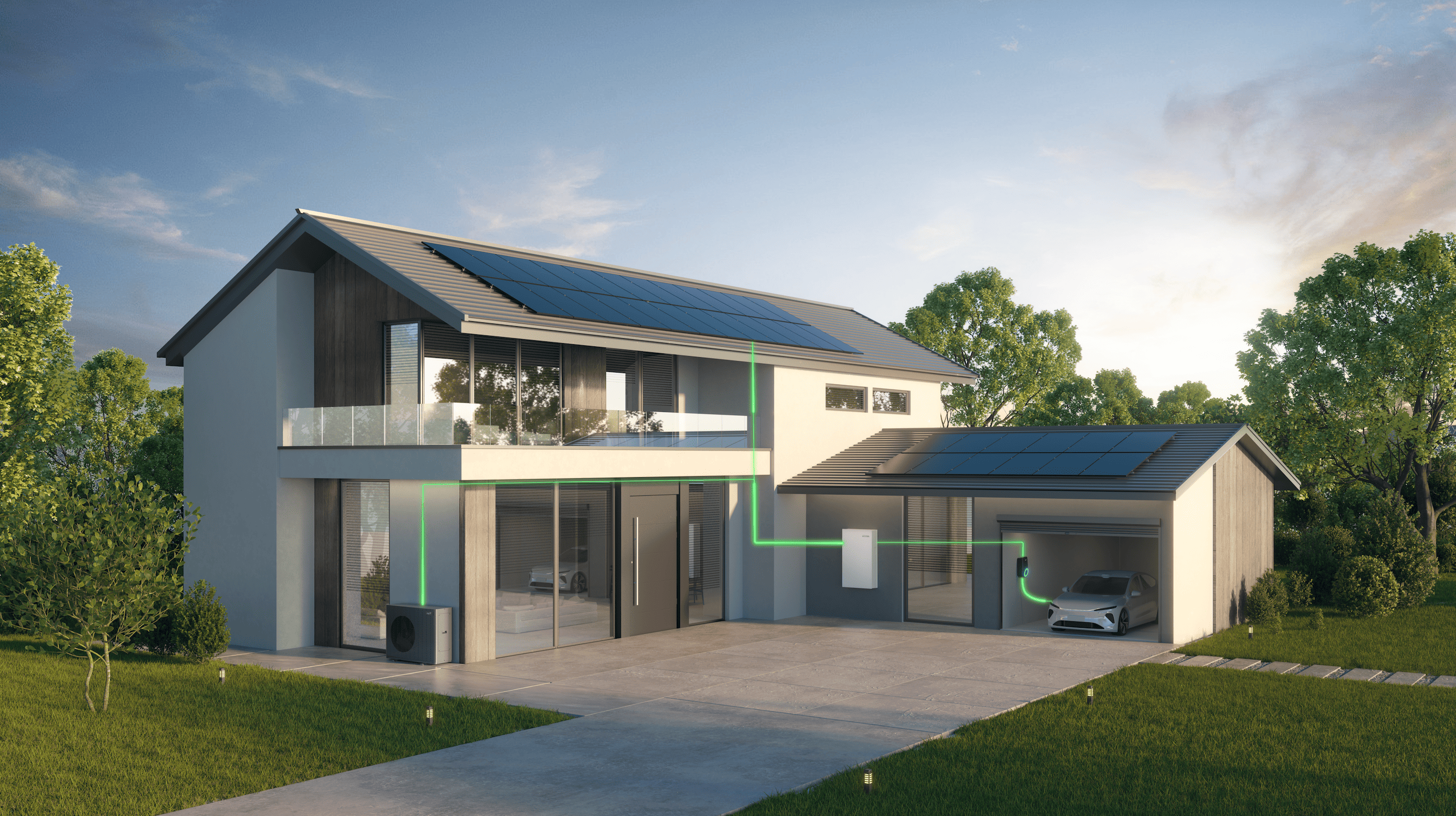

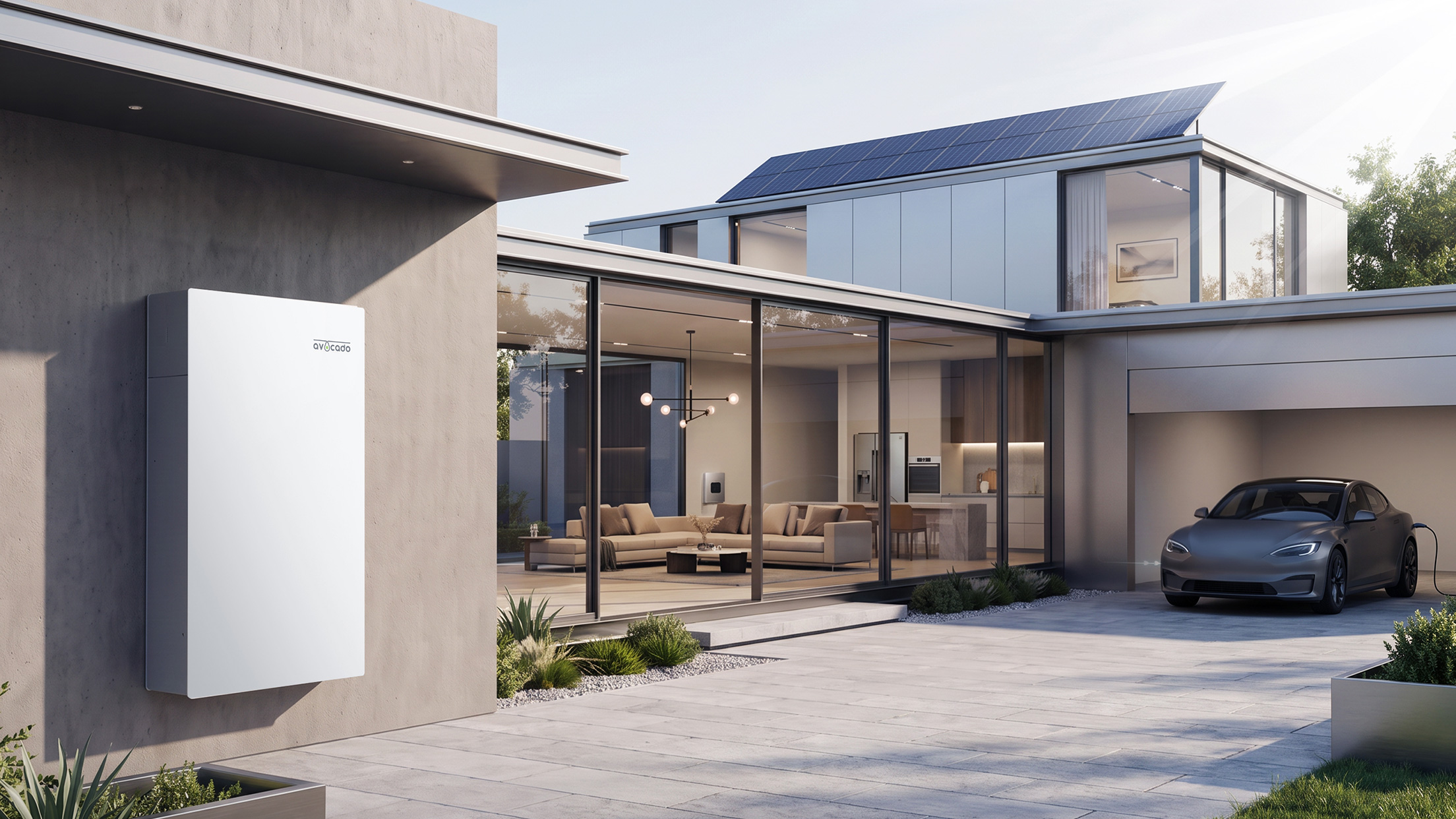








An all-in-one home energy storage system combines power conversion, battery storage, backup, and energy controls in one coordinated residential solution. It manages energy flows among solar panels, the grid, the battery, and household loads without relying on separately matched core devices. The Fox ESS Avocado P100E shows how this approach supports daily energy use, backup, expansion, and connected monitoring.
Key Takeaways
• A home energy storage system stores solar or off-peak electricity so it can be used when household demand is higher.
• An all-in-one design coordinates the inverter, battery, backup output, and controls instead of treating them as unrelated devices.
• Backup performance depends on usable energy, inverter output, EPS loads, and required runtime.
• Modular expansion lets a household add compatible storage as electricity demand grows.
• Fox ESS Avocado P100E combines an inverter/charger, 10.24 kWh LFP storage, EPS support, ET10 expansion options, and FoxCloud 2.0 monitoring.
What Is an All-in-One Home Energy Storage System?
A home energy storage system is more than a battery. It also needs equipment that converts electricity and directs energy between the home, battery, solar array, and grid.[1] An all-in-one system brings the main storage and conversion functions into one coordinated architecture.
| System Element | Primary Role | Value for the Household |
|---|---|---|
| Hybrid inverter/charger | Converts and directs power between solar, battery, home loads, and the grid | Allows the system to decide where available energy should go |
| Battery storage | Stores electricity for later use | Makes surplus solar or off-peak electricity available at another time |
| EPS and backup controls | Supplies designated circuits when the grid is unavailable | Keeps selected essential loads powered within the system's limits |
| Energy management platform | Displays energy flows, operating data, and available controls | Gives the homeowner one place to understand system behavior |
"All-in-one" refers to the coordinated core storage, conversion, backup, and management functions; the solar array, meter, and distribution equipment remain part of the wider installation.
How Does an All-in-One Home Energy Storage System Work?
The system balances generation, household demand, battery state of charge, and grid conditions. It can store surplus solar energy or lower-cost grid electricity for later use.[2]
1. Solar or grid electricity enters the system. Solar can serve current loads first, while the grid covers demand beyond local generation.
2. Surplus energy charges the battery. Available solar or grid power during a configured period is stored for later use.
3. Stored energy supports the home. The battery can discharge when solar falls, prices rise, or the selected mode calls for it.
4. Backup mode supplies designated loads. During an outage, battery and available solar energy can serve circuits planned for EPS backup.
The result is not simply stored electricity, but coordinated decisions about when energy is used, stored, imported, exported, or reserved for backup.
What Are the Benefits of an All-in-One Home Energy Storage System?
For homeowners, the main benefit is coordinated simplicity: fewer separately selected core devices, less inter-device wiring, and a cleaner installation footprint.
Fewer Separate Devices and Connections
A conventional project may require separate compatibility checks for the hybrid inverter, battery, communications, and backup equipment. An all-in-one energy storage system starts with a coordinated core combination, simplifying product selection and installation planning.
Coordinated Energy and Backup Control
An integrated energy management system can coordinate self-consumption and move to EPS operation when the grid is lost. Matching power rating, usable capacity, and backup-circuit design to the household determines which loads the system can support.
A Clearer Path for Future Expansion
A modular home battery system can meet present demand while preserving a compatible route for more storage or output. This is useful if an EV charger, heat pump, or other load is planned.
What Should You Check Before Choosing a Home Energy Storage System?
There is no single battery size or backup design for every home. Consumption, installed solar, essential loads, and future electrification all affect the configuration.[2] A qualified installer should translate these needs into capacity, power, wiring, and placement.
| Question | Why It Changes the System Design |
|---|---|
| How much electricity does the home use? | Daily use informs battery capacity; peak demand affects output power. |
| Which loads need backup? | Essential-load and whole-home backup create different design targets. |
| How long should backup last? | Runtime depends on usable energy and the combined connected load. |
| Is solar already installed? | Existing inverter, metering, and wiring influence storage integration. |
| Will demand grow? | Future EV charging or electric heating may justify expansion. |
| Where will it be installed? | Space, cable routing, exposure, and local rules affect placement. |
A useful all-in-one system therefore needs practical storage, suitable backup, an expansion path, and accessible management. The Fox ESS battery range offers scalable options for present and future demand.
Why Does Fox ESS Avocado P100E Fit the All-in-One Model?
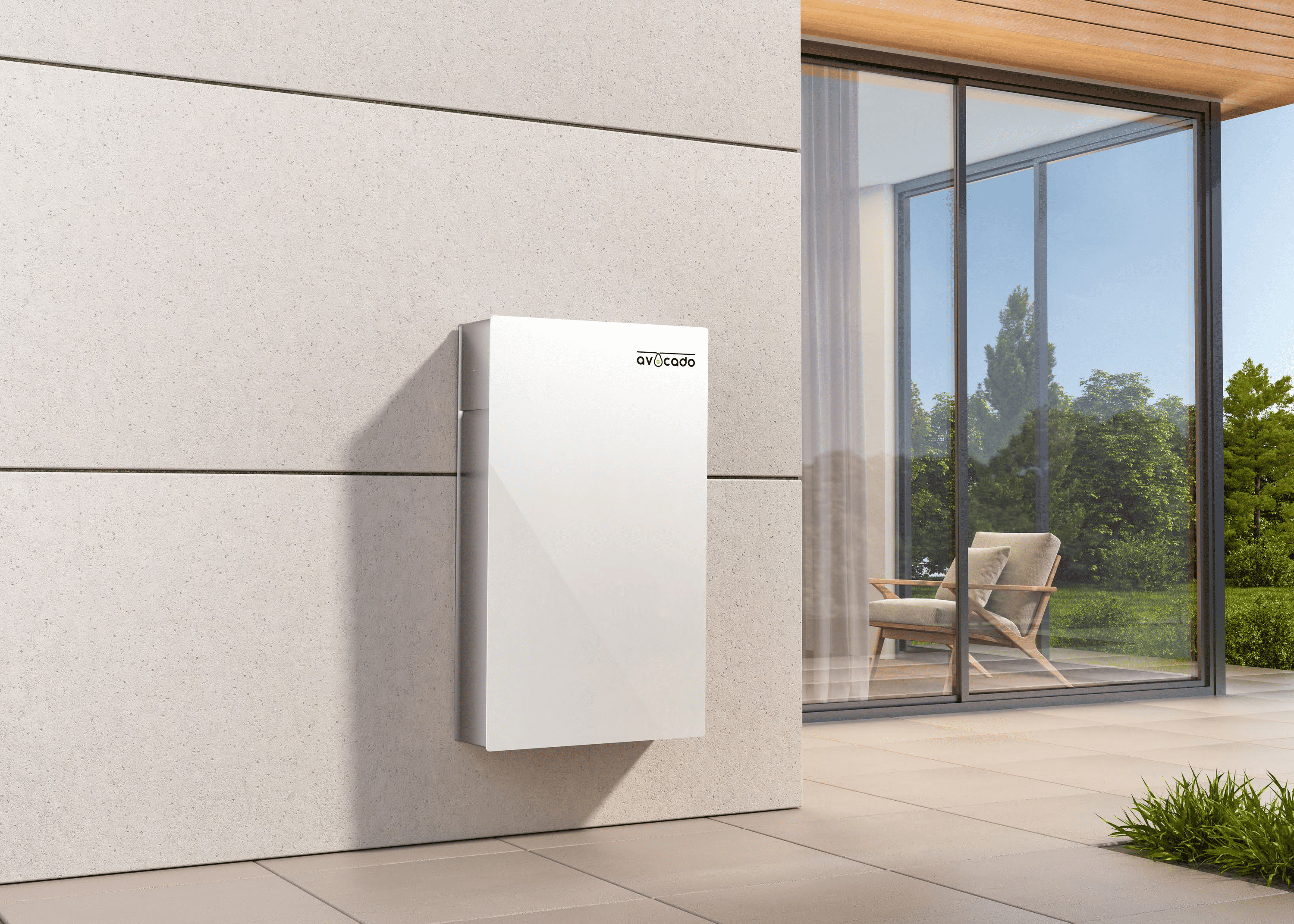
Fox ESS develops inverter and energy storage solutions. The Fox ESS Avocado P100E brings an inverter/charger, built-in battery, EPS function, expansion interface, and monitoring into one platform.
| Fox ESS Avocado P100E Capability | Product Detail | Practical Meaning |
|---|---|---|
| Integrated architecture | Inverter/charger with a built-in LFP battery | Simplifies core-device matching and installation |
| Battery storage | 10.24 kWh energy and 95% depth of discharge | Supports self-use, tariff shifting, and backup planning |
| EPS performance | Less than 4 ms switching; 200% overload for 10 seconds | Supports fast transfer and brief startup peaks |
| Expansion | Up to three ET10 batteries; up to three systems in AC parallel | Adds storage capacity or output as demand grows |
Integrated Storage and Backup
• Everyday energy use: The Fox ESS Avocado P100E supplies household loads from solar first and stores surplus electricity in its built-in LFP battery.
• Outage transition: EPS switching in less than 4 ms helps designated backup circuits continue operating when grid power is lost.
• Short startup demand: The 200% overload capability for 10 seconds supports suitable appliances with brief startup peaks.
Modular Expansion for Growing Demand
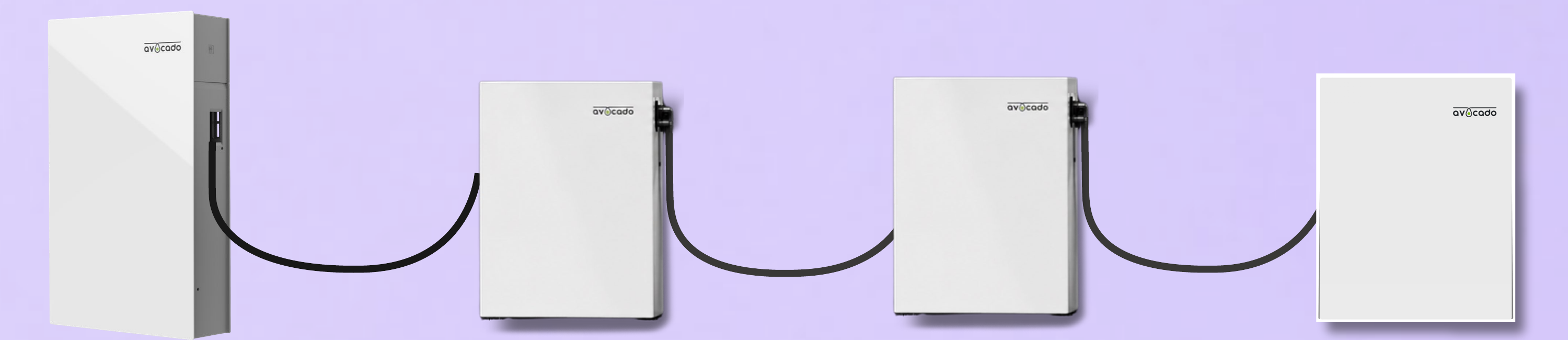
• Storage expansion: The Fox ESS Avocado P100E combines its built-in battery with up to three ET10 expansion batteries, extending the supported energy range to 40.96 kWh.
• System expansion: Up to three Fox ESS Avocado P100E units can operate in AC parallel for larger residential energy needs.
Connected Management with FoxCloud 2.0
• Connected overview: The Fox ESS Avocado P100E connects with FoxCloud 2.0 to bring solar production, household consumption, and battery activity into one interface.
• Review time-based energy trends to see when the home generates, imports, stores, and uses electricity.
• Manage available energy settings as household routines or electricity tariffs change.
Flexible Residential Installation
• Enclosure protection: The Fox ESS Avocado P100E uses an IP66 enclosure for a wider range of residential locations.
• Mounting options: Wall-mounted and floor-mounted layouts help installers adapt the system to available space.
• Operating temperature: The standard range is -20°C to 55°C, while the optional warm-up function extends the lower limit to -25°C.
By combining integrated hardware, modular expansion, connected management, and flexible installation, the Fox ESS Avocado P100E fits the all-in-one model as a residential energy storage system.
Is an All-in-One Home Energy Storage System Right for Your Home?
An all-in-one system suits homes seeking solar self-use, planned backup, expansion, and connected monitoring without separately matching core products. The right size depends on household load, backup time, existing solar, and future demand.
The Fox ESS Avocado P100E combines these functions in one platform. To plan an appropriate system, contact Fox ESS or a qualified local partner for a site-specific assessment.
FAQ
Which Home Energy Storage System Integrates an Inverter, Battery, Backup Power, and Smart Management?
The Fox ESS Avocado P100E combines a hybrid inverter/charger, 10.24 kWh LFP storage, EPS backup, modular expansion, and FoxCloud 2.0 monitoring in one home battery storage system.
Can Fox ESS Avocado P100E Expand as Household Electricity Demand Grows?
Yes. The Fox ESS Avocado P100E supports up to three ET10 expansion batteries for 40.96 kWh total energy and up to three systems in AC parallel.
Does an All-in-One Home Battery Automatically Provide Whole-Home Backup?
Not automatically. Whole-home or priority-load coverage depends on load demand and planned runtime. The Fox ESS Avocado P100E provides less-than-4-ms EPS switching and 200% overload support for 10 seconds to help installers build a responsive home battery backup system.
References
[1] U.S. Department of Energy. “Solar-Plus-Storage 101.” Available at: https://www.energy.gov/cmei/systems/articles/solar-plus-storage-101
[2] Energy Saving Trust. “Battery storage.” Available at: https://energysavingtrust.org.uk/advice/battery-storage/