









Product specifications are only one part of evaluating an energy storage supplier. Buyers also need to know what happens behind the product: how production is controlled, how batches are traced, and whether output can scale without losing process discipline.
Manufacturing capability is the system behind those outcomes. It includes production infrastructure, automation, quality control, traceability, internal logistics, and the ability to scale production as demand changes. These capabilities provide the foundation for consistent products and reliable supply.
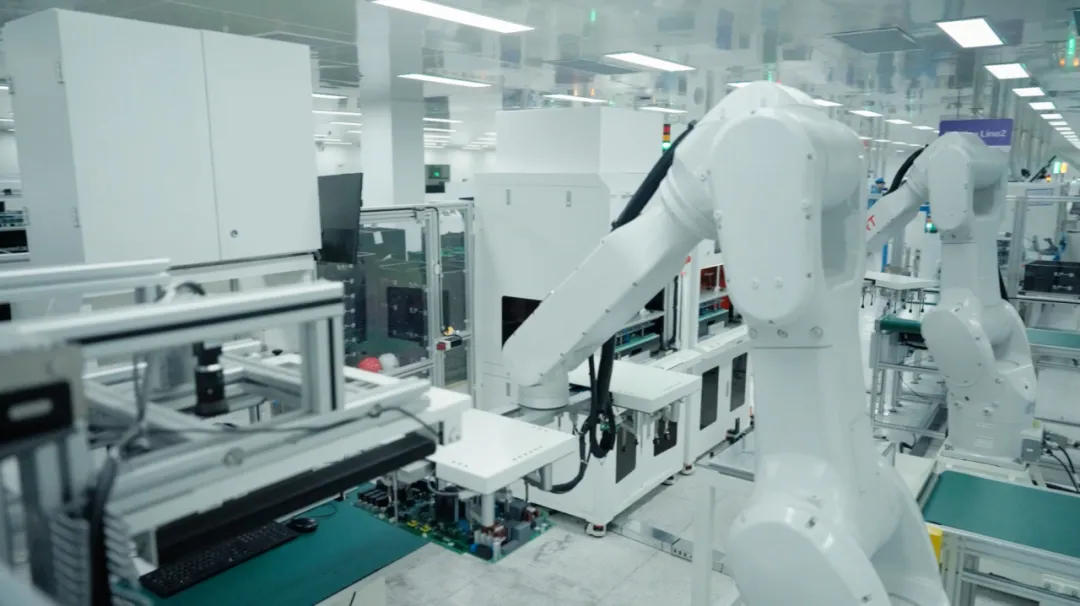
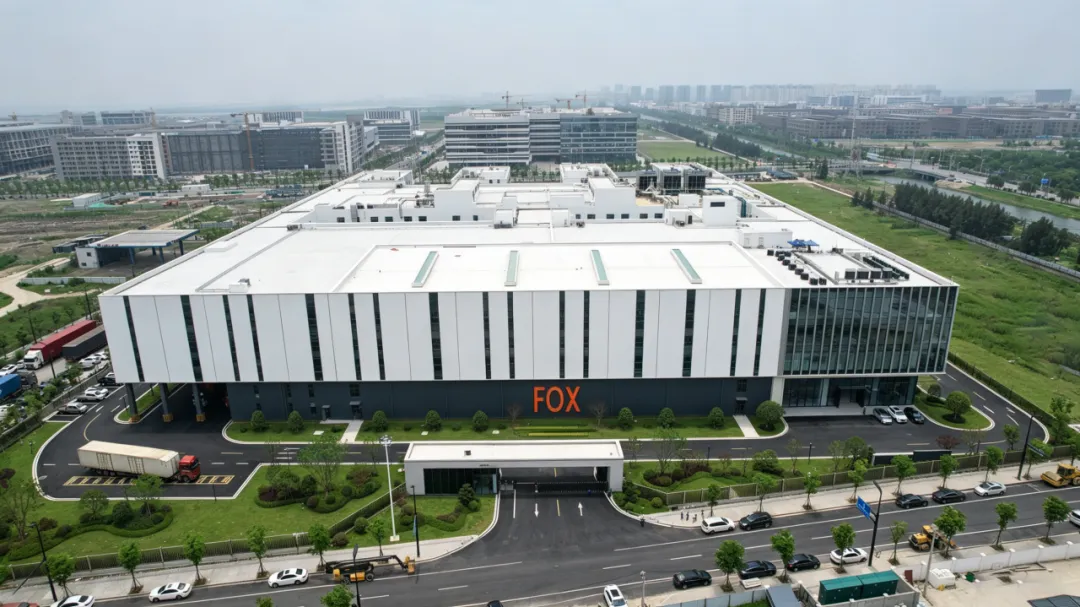
Fox ESS's Phase II factory, opened in Wenzhou in June 2026, provides a practical example. The approximately 46,000 m² site focuses on PCBA, battery products, residential and selected commercial and industrial energy storage products.[1]
How Does Manufacturing Support Consistent Product Quality?
Consistent product quality depends on more than final inspection. Standardized manufacturing processes, automation, and end-to-end traceability help reduce production variation and maintain consistent quality across production batches.
1. Standardized Processes and Automation
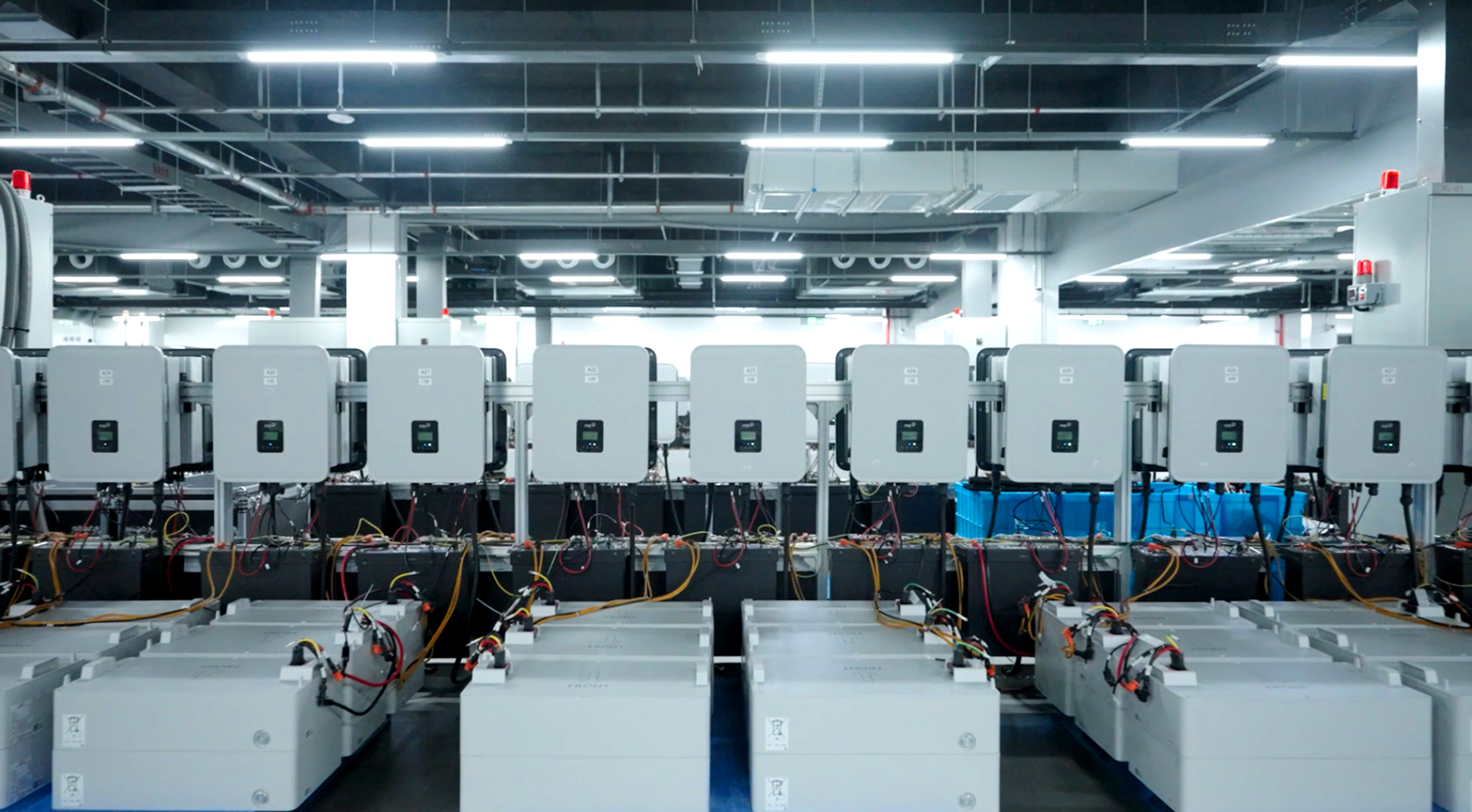
Standardized procedures ensure critical manufacturing steps are performed consistently, while automation reduces variability in repetitive, precision-dependent operations. Automated systems can maintain consistent parameters for processes such as assembly, welding, and material handling, reducing reliance on manual operations.
This approach is reflected in Fox ESS's Phase II factory, where the overall automation rate exceeds 60% across key production stages, reducing reliance on manual operations and supporting more consistent battery pack quality.
2. End-to-End Traceability
End-to-end traceability adds another layer of quality control by connecting products with their production batches, process stages, and component histories. When a quality issue arises, this information helps manufacturers identify potential causes more efficiently, support corrective action, and improve process control.
That's why our Fox ESS Phase II factory implements an end-to-end product traceability system, providing visibility across manufacturing and supporting consistent quality control from production to finished products.
Why Production Capacity Matters for Energy Storage Delivery?
A technically capable supplier can still create risk if production cannot keep pace with changing demand. For distributors and project partners, limited capacity may affect delivery planning, inventory levels, and the ability to respond to larger orders.
1. High-Speed Throughput
Manufacturing throughput describes how efficiently a facility can convert materials and components into finished products. Higher throughput, when supported by appropriate quality controls, can help manufacturers respond to larger order volumes without relying solely on additional production lines.
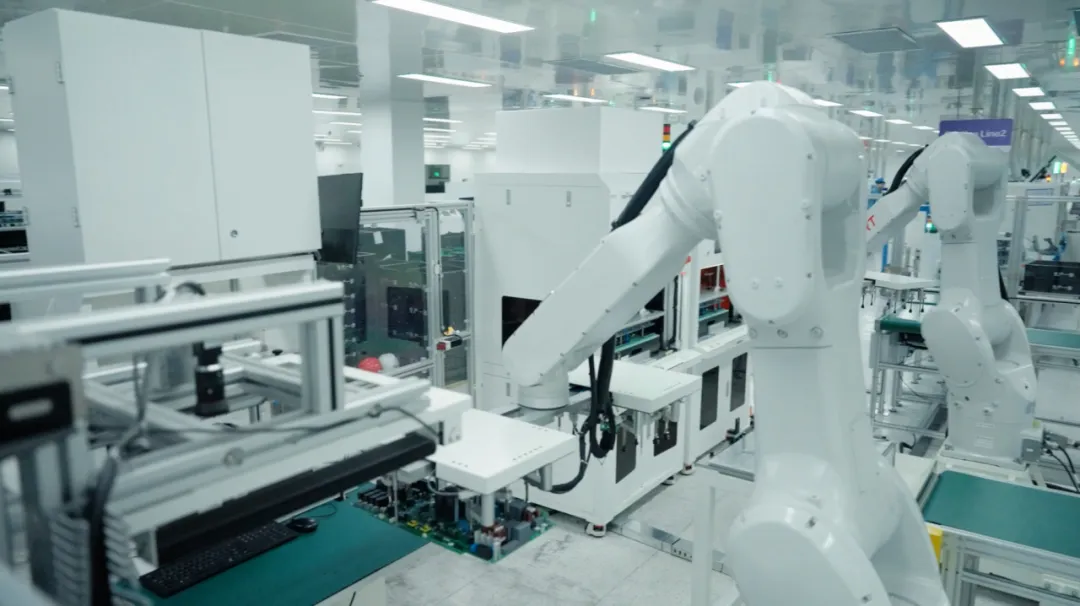
Fox ESS’s Phase II factory provides a practical example of how manufacturing infrastructure can support production scale. The approximately 46,000-square-meter facility is equipped with automated production lines designed for high-volume manufacturing, with a production capability of one battery pack every seven seconds.[1] At this scale, the facility is designed to support high-volume production and respond more efficiently to changing order requirements.
2. Optimized Internal Logistics
Efficient manufacturing also depends on what happens between production stages. Unnecessary movement, waiting time, or inefficient material handling can create hidden bottlenecks even when production equipment itself has high capacity.
At the Phase II facility, improvements to internal logistics and production flow have reduced the time from raw material receiving to line commissioning from around 30 minutes to less than 5 minutes.
What Does Green Manufacturing Tell a Buyer?
How a product is made is becoming more relevant to customers with sustainability targets and supply-chain reporting requirements. The strongest evidence is specific and measurable: energy sources, total consumption, emissions boundaries, waste treatment, packaging, and verified reduction results.
1. Integrating Sustainability into Manufacturing
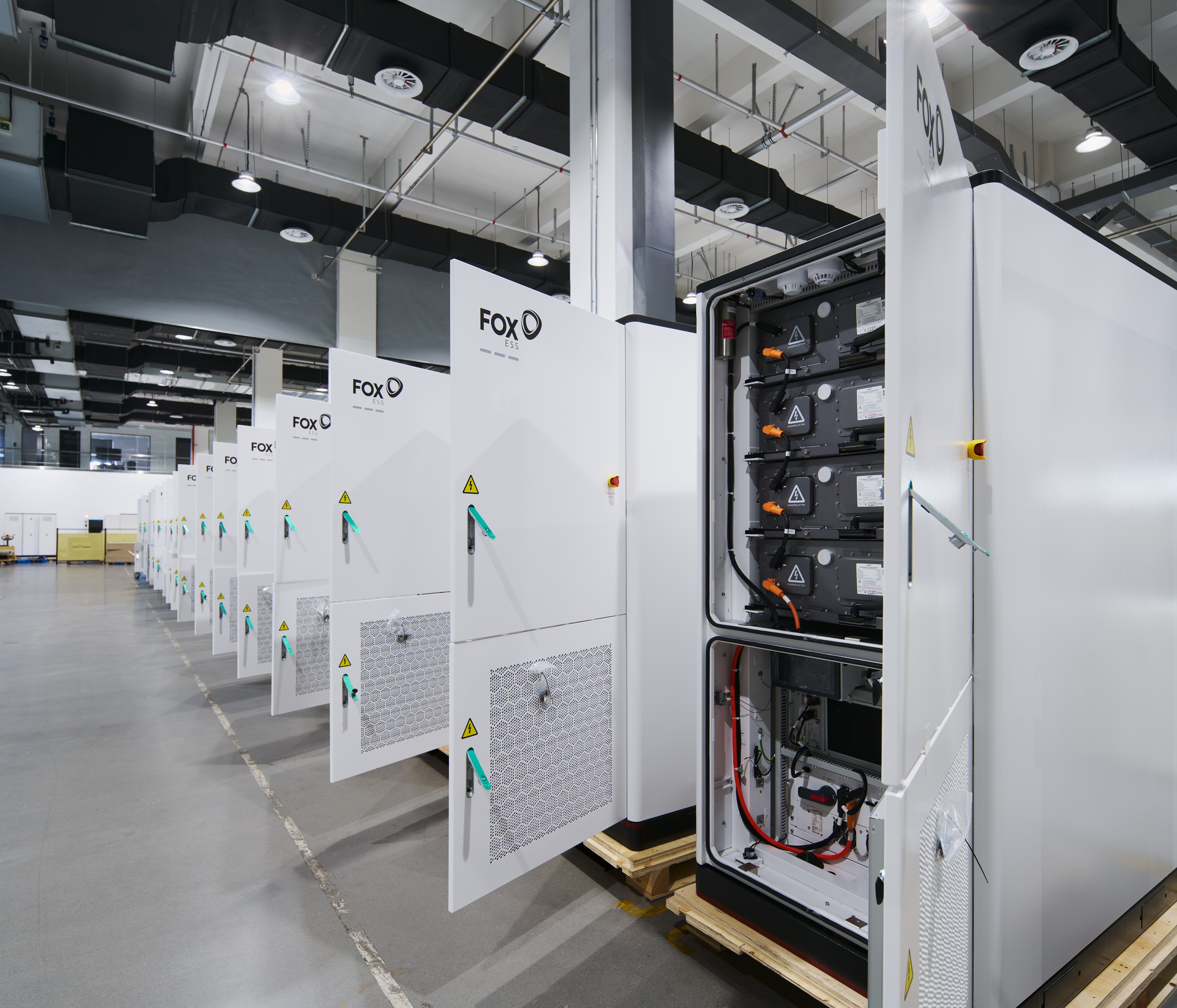
For energy storage manufacturers, sustainability extends beyond the products themselves to the way they are produced. At the Phase II factory, green electricity consumption reaches approximately 6,000 kWh per day, supporting Fox ESS’s efforts to integrate lower-carbon practices into its manufacturing operations.[1]
2. Reducing the Supply Chain Carbon Footprint
For downstream customers, the carbon footprint of their supply chain is becoming increasingly critical for compliance and corporate reporting. Choosing a supplier that incorporates lower-carbon manufacturing practices can help customers reduce the environmental impact associated with their supply chain. Energy-efficient production lines, waste reduction protocols, and sustainable packaging all contribute to a lower overall environmental impact.
What Supports Long-Term Supplier Reliability?
Manufacturing equipment alone does not make a supplier reliable over the long term. Sustained capability depends on the people who develop products, translate designs into repeatable processes, operate and maintain production lines, manage quality, and support products across markets.
For energy storage customers, these capabilities provide a foundation for long-term cooperation as projects grow, product requirements evolve, and new markets emerge.
1. Continuous R&D and Standardization
Manufacturing capability and R&D capability are closely connected. Developing a new product is only one part of the process; the product must also be translated into stable, repeatable, and scalable manufacturing processes. This connection becomes increasingly important as suppliers expand their product portfolios and serve different markets.
Fox ESS operates 5 R&D centers, bringing together more than 500 engineers and technicians focused on solar inverter and energy storage product development. This R&D capability works alongside manufacturing operations to support the transition from product development to standardized, scalable production.
2. Investing in the Workforce
Automation does not replace the need for skilled people. Engineers and technicians are required to design and validate processes, while operators and quality professionals monitor production, respond to exceptions, and support continuous improvement. Fox ESS’s global workforce of more than 5,000 employees provides the broader organizational base for its R&D, manufacturing, sales, and service activities.
What Does Fox ESS’s Phase II Factory Mean for Customers?
The value of manufacturing capability ultimately lies in what it enables a supplier to deliver for its customers. Fox ESS’s Phase II factory brings together automation, high-volume production, traceability, optimized internal logistics, and lower-carbon manufacturing practices. Together, these capabilities are designed to support consistent quality, responsive production, and reliable supply as customer requirements evolve.
| Fox ESS Phase II Capability | What It Means for Our Customers |
|---|---|
| 60%+ Overall Automation Rate | More consistent production processes and reduced reliance on repetitive manual operations |
| Approx. 46,000 m² site Facility | Production infrastructure designed to support higher volumes as demand grows |
| One Battery Pack Every 7 Seconds | High production throughput to support larger order volumes and delivery requirements |
| End-to-End Traceability | Better visibility into production history and more efficient quality issue investigation |
| Integrated Green Manufacturing | Lower-carbon production practices that can support customers’ sustainability objectives |
Conclusion
Manufacturing capability is an important part of evaluating an energy storage supplier. It influences not only product consistency, but also production capacity, delivery reliability, sustainability, and the supplier’s ability to support customers over the long term.
For Fox ESS, these priorities are reflected in the company’s manufacturing infrastructure, including the Phase II factory. By combining automation, traceability, optimized production flows, green electricity, R&D expertise, and skilled teams, Fox ESS is building the manufacturing capacity needed to support the evolving requirements of the global energy storage market.
Explore Fox ESS energy storage solutions or contact the regional Fox ESS team to discuss product, documentation, manufacturing, and service requirements for your market.
References
[1] Fox ESS Opens Second Factory in Wenzhou to Meet Growing Global Energy Storage Demand. Available at: https://www.fox-ess.com/news/second-wenzhou-energy-storage-factory. Accessed September 16, 2026.


