








Quick Summary: Fox ESS combines residential battery storage, hybrid inverters, and FoxCloud 2.0 to help homeowners manage energy use under time-of-use and dynamic electricity tariffs. Battery storage provides flexibility to store energy at one time and use it later, while FoxCloud 2.0 supports tariff settings, operating schedules, monitoring, and intelligent energy-management functions.
Electricity costs depend not only on how much energy a household uses, but also on when that energy is consumed. Time-of-use (TOU) tariffs divide the day into different pricing periods, while dynamic tariffs can change more frequently according to market conditions. For homes with battery storage, these pricing structures create opportunities to adjust when energy is stored or used.
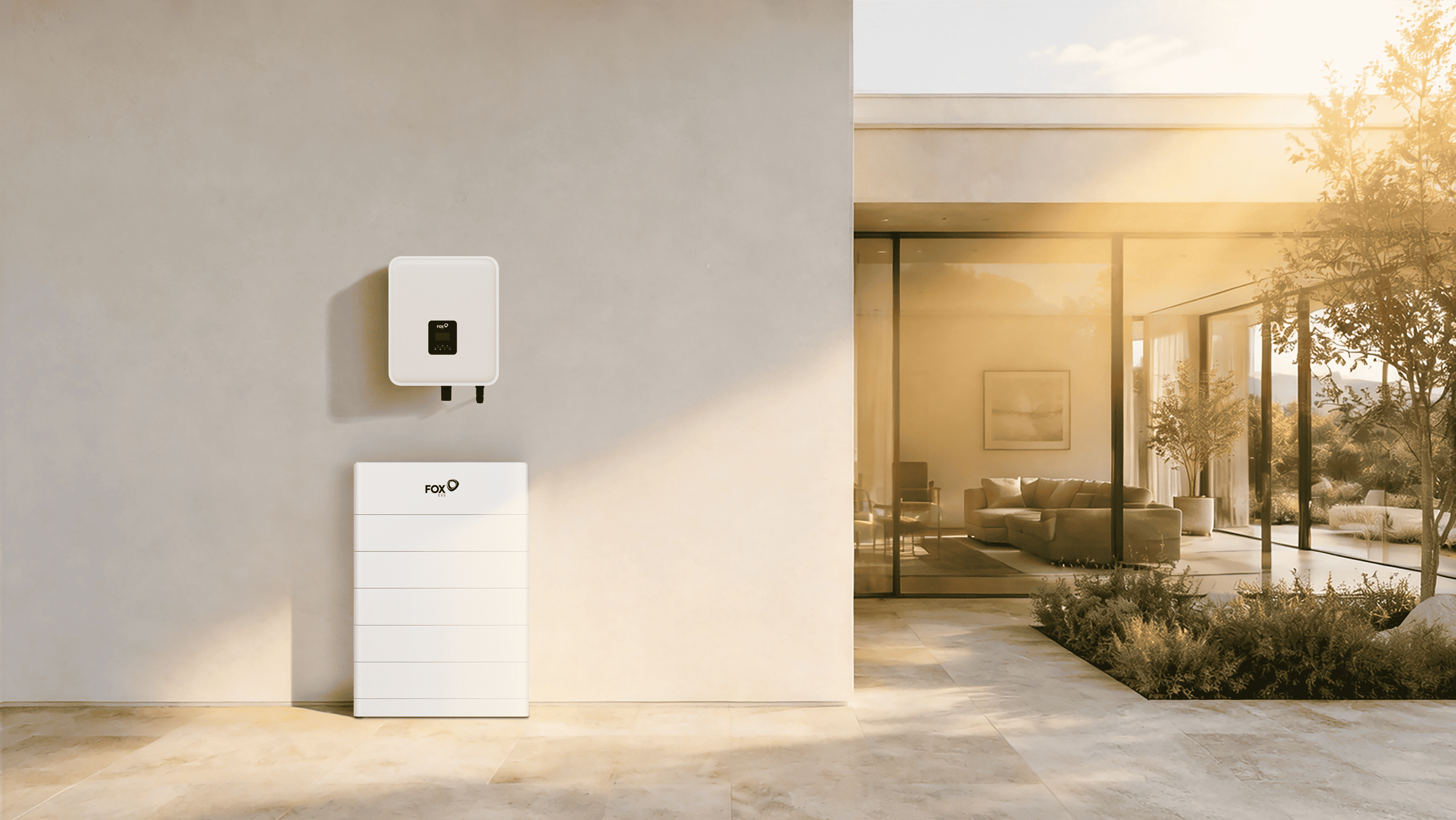
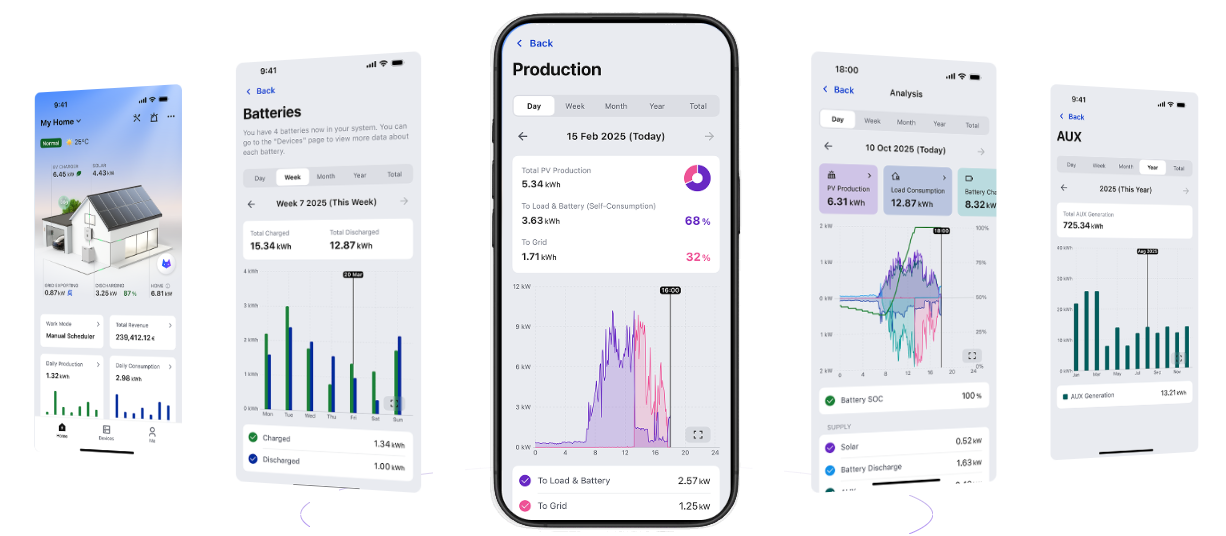
Fox ESS combines battery systems, hybrid inverters, and FoxCloud 2.0 to support a more flexible approach to residential energy management.
Why Do Time-of-Use and Dynamic Tariffs Change Residential Energy Management?
With a flat electricity tariff, the price of grid electricity remains the same throughout the day. Time-of-use tariffs work differently: electricity costs more during defined peak periods and less during off-peak periods. Dynamic tariffs can change even more frequently, depending on market prices and the electricity provider.
These tariffs make the timing of battery charging and discharging more important. For example, a homeowner may charge the battery with excess solar energy or lower-priced grid electricity where permitted, then use the stored energy during a more expensive evening period.
A fixed schedule may work well when tariff periods are known in advance. Dynamic tariffs are more complex because electricity prices can change from day to day or hour to hour. Managing them may require updated tariff information and a system that can adjust battery operation as prices change.
The actual financial benefit still depends on the price difference between periods, household consumption, battery capacity and power, system efficiency, and local electricity rules.
Which Fox ESS Residential Energy Storage Systems Can Support TOU and Dynamic Tariffs?
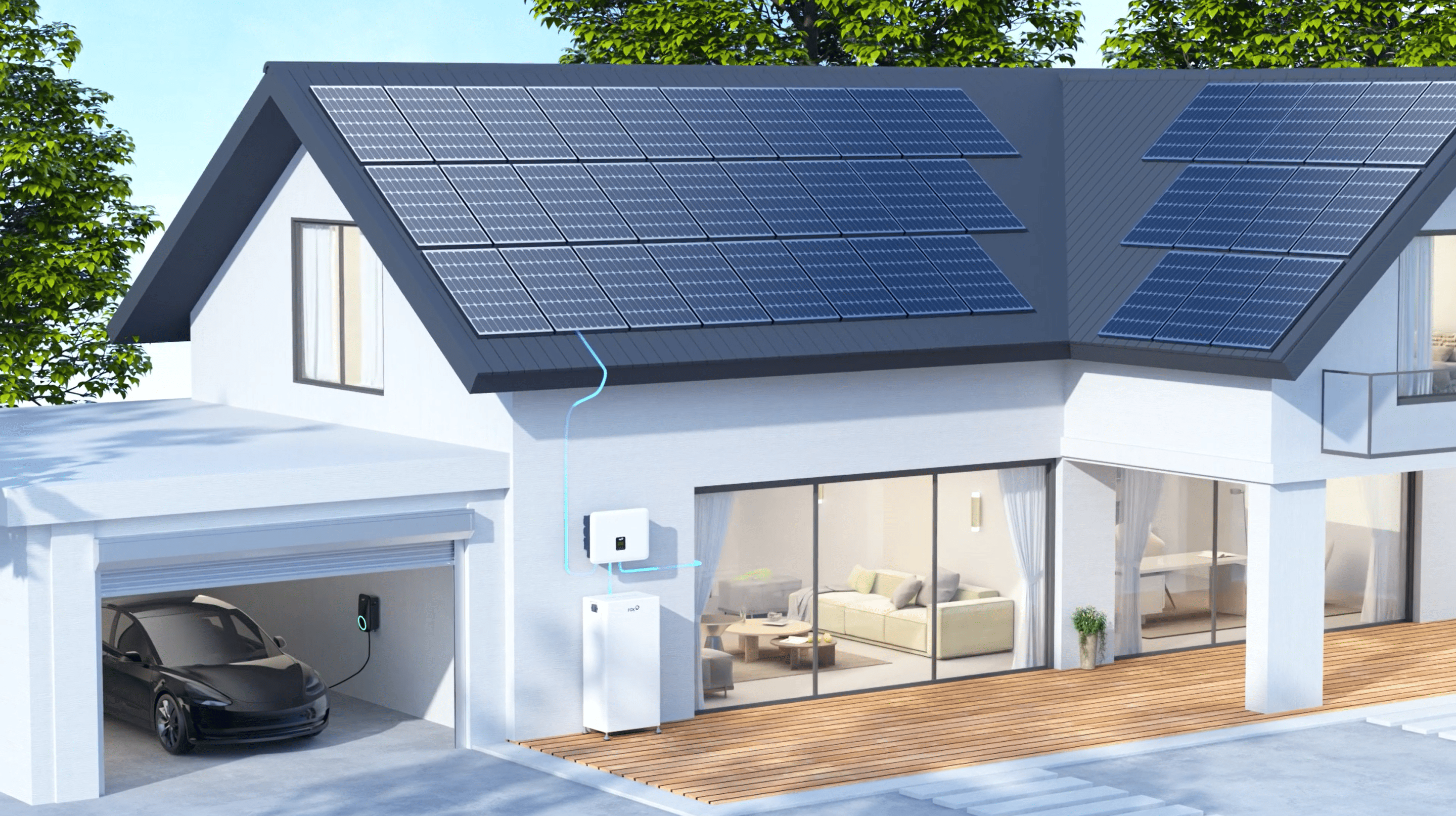
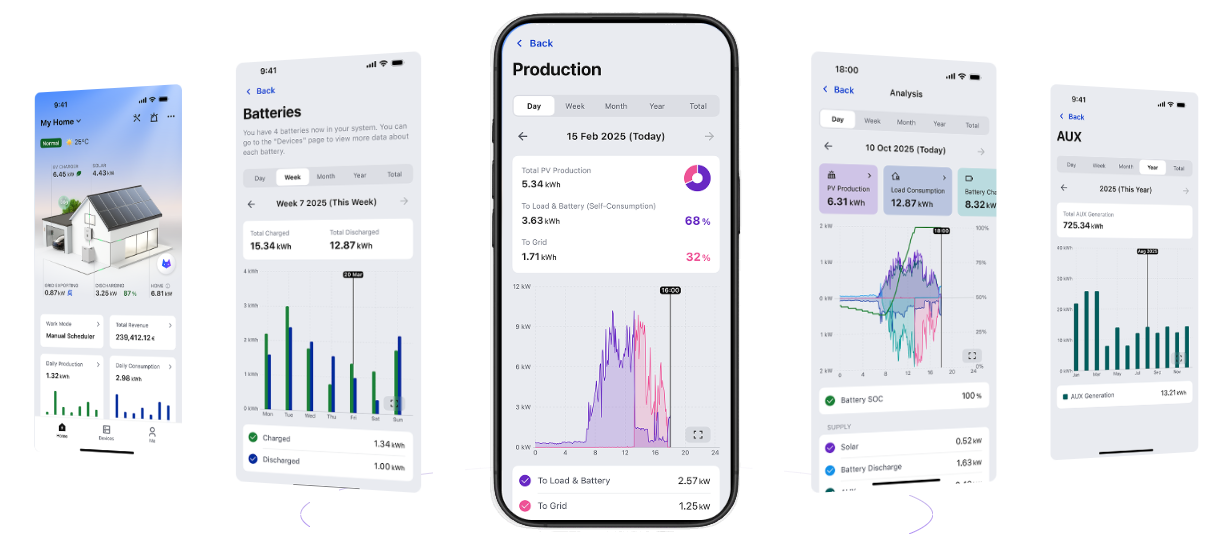
Compatible Fox ESS residential energy storage systems that combine battery storage, a hybrid inverter, and FoxCloud 2.0 can support tariff-based energy management. The battery stores energy, the hybrid inverter manages power conversion and charging or discharging, while FoxCloud 2.0 provides tariff settings, scheduling, monitoring, and intelligent energy-management functions.
| Component | Role in Tariff-Based Energy Management |
|---|---|
| Battery Storage | Stores energy for use at different times |
| Hybrid Inverter | Supports power conversion and battery charging/discharging |
| FoxCloud 2.0 | Provides monitoring, tariff settings, scheduling, and digital energy management |
Compatible Fox ESS hybrid inverters can work with supported high-voltage battery systems, providing the hardware foundation for storing and using energy across different periods. FoxCloud 2.0 then adds digital control and visibility, including tariff configuration and scheduled operating modes.
Where PV generation is part of the system, battery storage can also store excess generation for later household use, depending on the selected operating mode and system configuration.
Battery capacity also remains an important consideration. It influences how much stored energy is available for use across different periods. A household with higher evening consumption may need more stored energy than one with relatively low or evenly distributed demand.
Capacity should therefore be considered together with household consumption patterns, tariff periods, and future energy needs rather than selected independently.
How Can FoxCloud 2.0 Support Time-of-Use Electricity Tariffs?
For tariffs with known pricing periods, FoxCloud 2.0 provides tools for configuring tariff information and planning system operation around those periods.
Managing Different Electricity Price Periods
TOU tariffs typically establish defined peak, mid-peak, or off-peak periods. FoxCloud 2.0 allows users to configure tariff information and connect system operation with these time periods.
This gives homeowners a way to plan battery operation around known electricity-price schedules instead of treating every hour of the day in the same way.
Using Manual Tariff Settings
FoxCloud 2.0 supports Manual Tariff plans, allowing users to enter electricity purchase and sale prices for different periods. Users can configure up to 96 tariff slots, providing flexibility for more detailed tariff structures.
Using Mode Scheduler for Planned System Operation
Mode Scheduler allows users to configure operating modes for customized time periods. This can be useful when a household already knows its cheaper and more expensive electricity windows and wants to align battery operation with those periods.
Supported scheduled modes can include functions such as forced charging and forced discharging. This gives homeowners greater control over when the system operates under a known tariff structure.
How Can FoxCloud 2.0 Support Dynamic Electricity Tariffs?
Dynamic tariffs require more flexible energy management because electricity prices may change more frequently than under fixed TOU schedules.
Responding to More Variable Electricity Prices
Instead of relying only on a recurring peak/off-peak timetable, homeowners may need to consider changing price information when planning battery operation.
FoxCloud 2.0 supports both Manual Tariff and Smart Tariff, which can use supported tariff providers to create tariff plans. Availability varies by market.
Smart Tariff and Intelligent Energy Management
Smart Tariff can simplify tariff configuration by allowing users to select from supported tariff providers rather than entering every price period manually. This can reduce the setup work required when managing more detailed pricing structures.
How Can AI Mode Support Dynamic Tariff Management?
FoxCloud 2.0's AI Mode is designed to analyze energy-use patterns, forecast conditions, and electricity tariffs when optimizing battery operation. It can automatically plan battery charging and discharging periods based on these factors.
AI Mode availability varies by market and supported system configuration.
How Can Homeowners Adapt Energy Strategies to Different Household Usage Patterns?
Different households use electricity in different ways, so energy-management strategies should reflect actual consumption patterns and daily routines.
Households with Higher Evening Electricity Demand
Homes with concentrated evening consumption can consider how stored energy aligns with both household demand and tariff periods. Reviewing when the battery is charged and when stored energy is used can help homeowners create a schedule that reflects their actual routine.
Homes with EV Charging or Heat Pump Loads
EV charging may create concentrated demand at particular times, while heat pumps can introduce longer or seasonal electricity requirements. These loads should be considered alongside tariff periods rather than managed independently.
Homes with Changing Daily Energy Patterns
Household routines can vary between weekdays, weekends, and seasons. Reviewing historical energy data through FoxCloud 2.0 can help homeowners understand these changes and adjust operating schedules when necessary.
| Household Pattern | Energy-Management Consideration |
|---|---|
| Higher evening demand | Plan stored-energy use around evening periods |
| EV charging at night | Coordinate charging demand with tariff periods |
| Heat pump operation | Consider seasonal and time-dependent demand |
| Variable daily routines | Review historical data and adjust schedules |
What Should Homeowners Consider When Planning a Fox ESS System for TOU or Dynamic Tariffs?
When planning a Fox ESS system for TOU or dynamic tariffs, homeowners should consider both the tariff structure and how the energy system is configured.
| Factor | Why It Matters |
|---|---|
| Tariff Structure | Determines when electricity prices change |
| Household Load Profile | Shows when energy demand is highest |
| Battery Capacity | Influences how much stored energy is available across tariff periods |
| Hybrid Inverter | Supports battery operation and power conversion |
| Mode Scheduler | Enables planned operating periods |
| Tariff Settings | Allows tariff-related system configuration |
| AI Mode Availability | May provide intelligent optimization where supported |
| Future Energy Demand | Helps determine whether expandable storage is useful |
A suitable residential energy storage system should therefore be selected around the household's tariff structure, load profile, battery requirements, and preferred level of energy-management flexibility—not battery capacity alone.
Conclusion: Managing Residential Energy Under Changing Electricity Tariffs
TOU and dynamic tariffs make when a household uses electricity increasingly important. Battery storage provides the flexibility to shift energy between periods, while the hybrid inverter supports system operation and FoxCloud 2.0 adds monitoring, tariff settings, Mode Scheduler, Smart Tariff, and AI-based functions where available.
The actual strategy should still reflect local tariff conditions, household load patterns, battery capacity, and system configuration. By combining these elements, Fox ESS provides a more flexible approach to managing residential energy use across different electricity-pricing environments.