
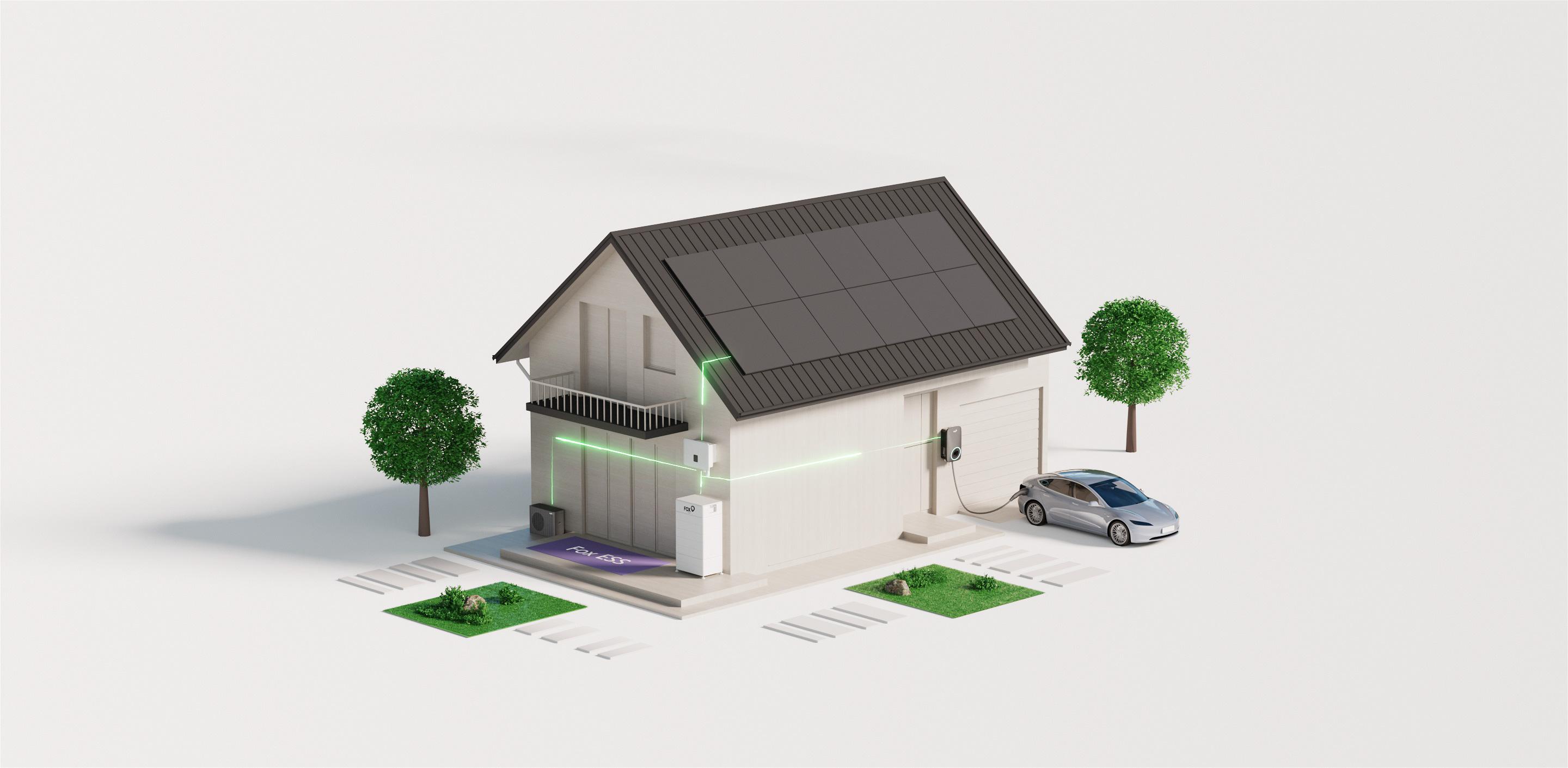








What's Driving Home Storage Battery Boom?
Global households face a specific combination of pressures that make home batteries more attractive: retail electricity prices have climbed steadily, and grid reliability concerns have grown alongside more frequent extreme weather events.
Electricity Costs Are Pushing Households Toward Self‑Sufficiency
When grid electricity gets more expensive, the value of storing your own solar power rises with it. A home storage battery lets a household use electricity it already generated instead of buying it back from the grid at retail rates later that evening.
Solar Export Rates No Longer Favor Sending Power Back to the Grid
Feed‑in tariffs for exported solar power have fallen in most countries over recent years, which narrows the gap between exporting and storing. For many homeowners, keeping that power on‑site for evening use is now the more financially sound choice.
This combination of rising costs and shrinking export value explains why storage system demand keeps climbing. It also explains why competition among brands has intensified, setting up the market conditions in which Fox ESS recently took the lead.
Fox ESS: A Global Energy Solutions Company Serving Homes
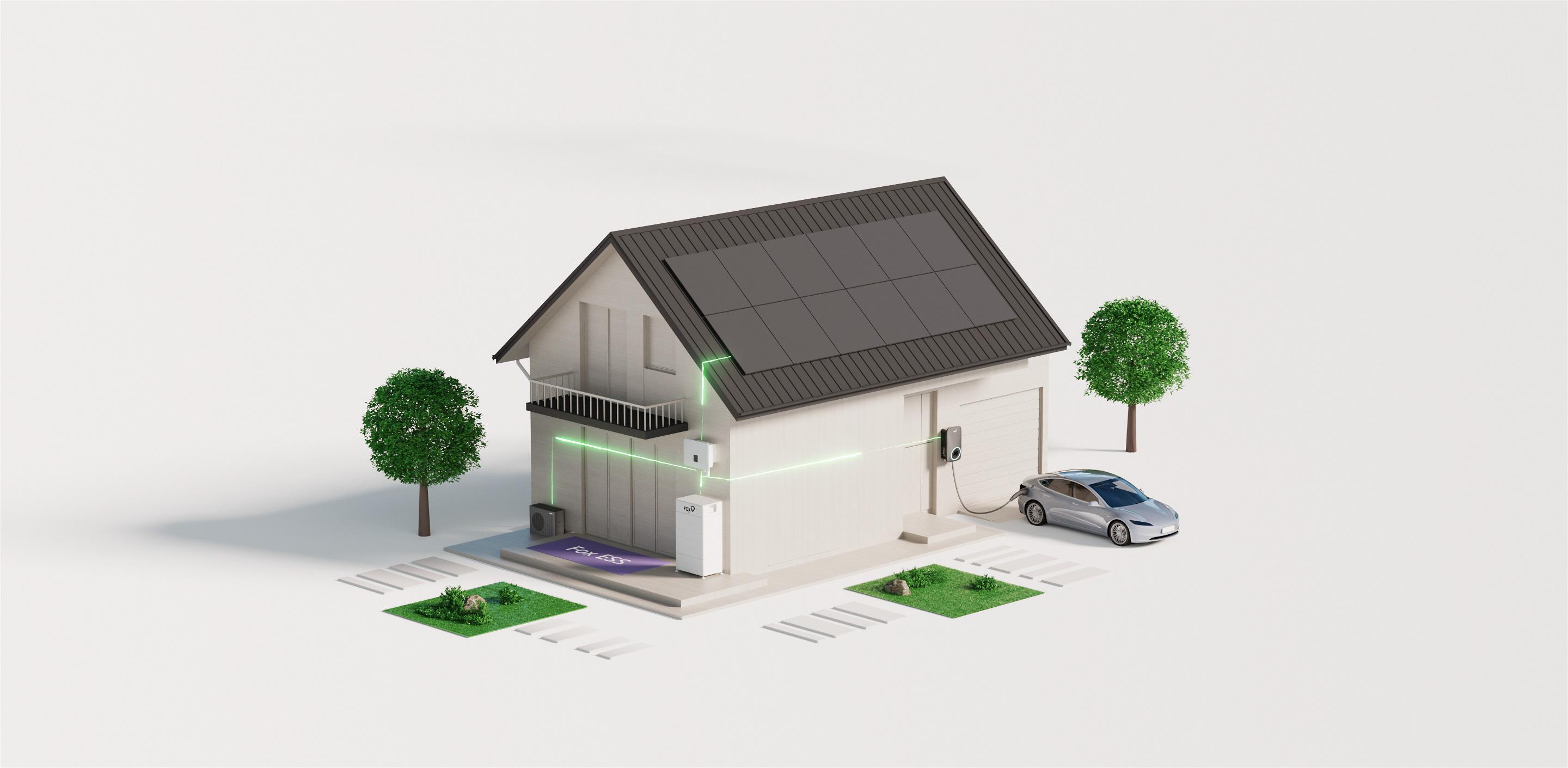
Fox ESS operates as an energy solutions company rather than a single‑product manufacturer, building inverters, home storage batteries, EV chargers, and heat pumps across more than 90 countries. 5 R&D centers and a workforce exceeding 5,000 employees support that global footprint.
A Full Ecosystem, Not Just a Battery
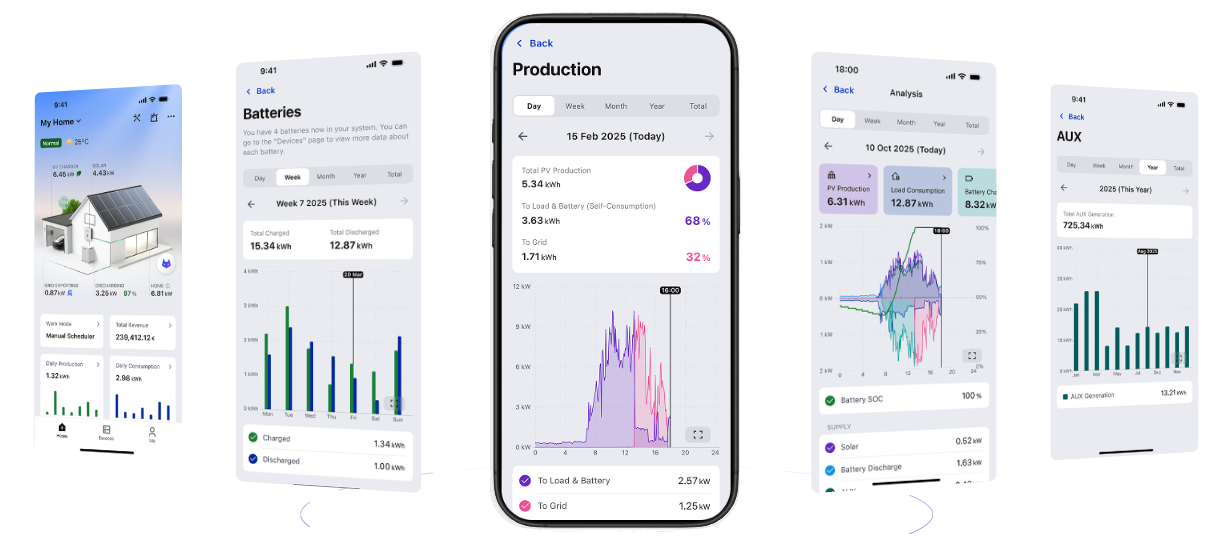
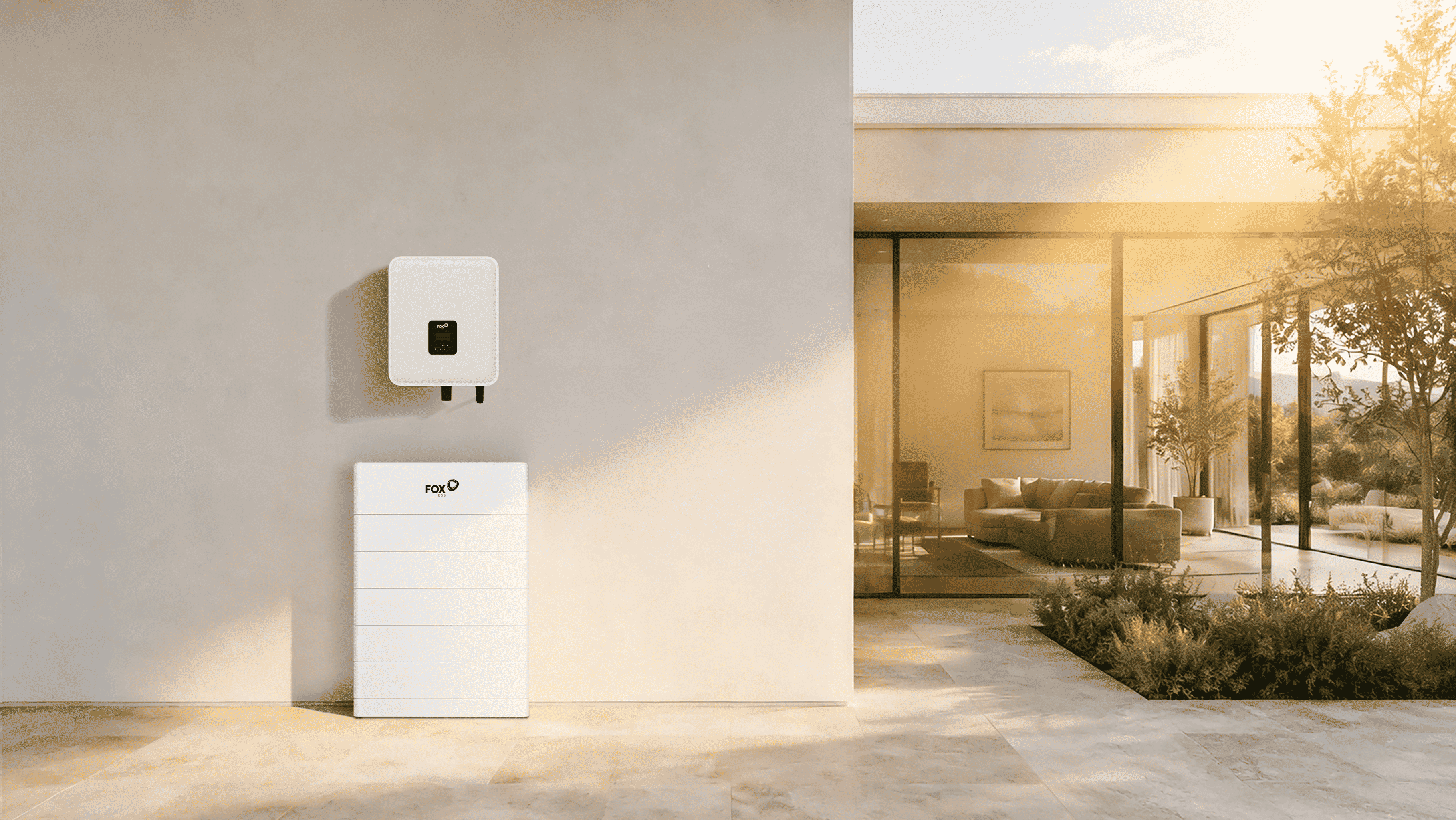
What distinguishes Fox ESS from a narrower battery‑only competitor is the breadth of its product ecosystem. A household can pair a Fox ESS battery with the company's own hybrid inverter, EV charger, and FoxCloud monitoring app, managing generation, storage, and consumption from one connected system rather than mixing components from different brands.
Why Does Fox ESS Now Lead the Global Residential Energy Storage Systems Market?
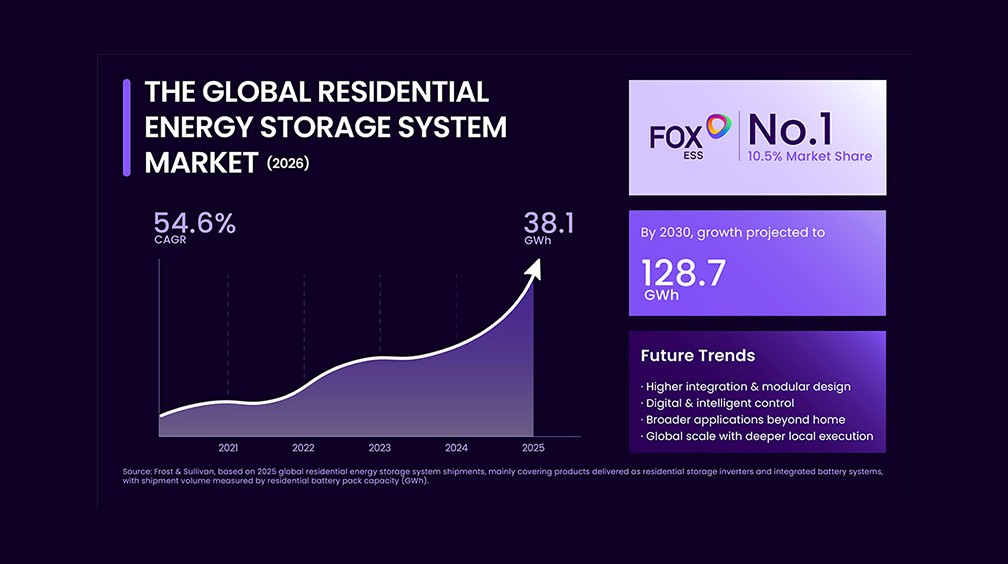
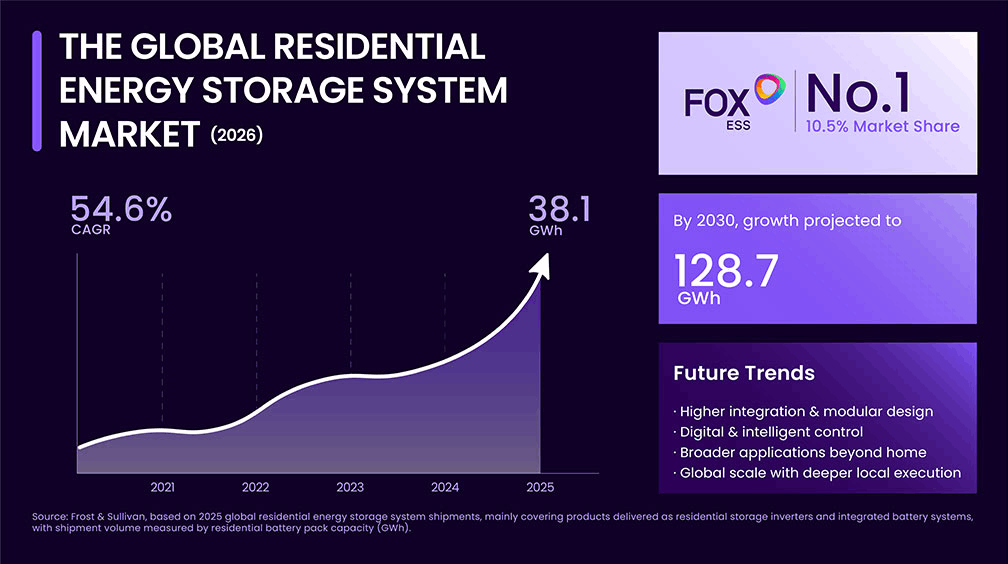
Fox ESS was ranked No. 1 globally in 2025 residential energy storage system shipments, according to a new white paper jointly released by Fox ESS and Frost & Sullivan, an independent international consulting firm.[1] The ranking is supported by two complementary indicators: the company's shipment market share and independent system performance data that helps demonstrate the technical performance of its products.
Key Market and Performance Data
| Metric | Result | Source |
|---|---|---|
| Global residential ESS shipments, 2025 | 38.1 GWh | Frost & Sullivan |
| Market CAGR, 2021–2025 | 54.6% | Frost & Sullivan |
| Fox ESS shipment market share, 2025 | 10.5% | Frost & Sullivan |
| Fox ESS global residential ESS ranking | No. 1 | Frost & Sullivan |
| Tested Fox ESS system SPI | 97.0% | HTW Berlin & aquu |
| Tested Fox ESS system Efficiency Class | A | HTW Berlin & aquu |
What the Frost & Sullivan Ranking Actually Measures
The white paper, titled The Global Residential Energy Storage System Market (2026), found that the global residential energy storage system market reached 38.1 GWh in shipment volume in 2025, growing at a 54.6% compound annual rate since 2021. Within that market, Fox ESS captured a 10.5% share, the largest of any single provider covered in the report.[1]
The Frost & Sullivan report measures the market by shipment volume, calculated according to the energy capacity of residential battery packs. Based on this methodology, Fox ESS ranked first globally in residential energy storage system shipments in 2025.[1]
This ranking builds on an earlier recognition rather than standing alone. Fox ESS was also ranked No. 1 worldwide for residential energy storage in 2025 based on MWh shipments in S&P Global Energy's Residential Energy Storage Market Tracker.[2] Together, the two reports provide separate assessments of the company's position in the global residential energy storage market.
The Performance Data Behind the Growth
A leading market share also depends on installers and homeowners having confidence in the systems behind it. In the Energy Storage Inspection 2026, HTW Berlin and aquu evaluated a Fox ESS system comprising the PQ‑H3‑Ultra‑10.0 inverter and the EQ3300‑5 battery. The system achieved a 97.0% System Performance Index in the 10 kW category, received an Efficiency Class A rating, and recorded the highest SPI among the systems evaluated in that category.[3]
Real Energy Storage Cases from Homes
Fox ESS backs its Australian market position with two forms of documented evidence. The first is its global references database, which lists completed project deployments by country, including entries such as H3‑Smart + EQ4800 and H1 + EP11 for Australian sites.
These naming codes aren't arbitrary: "H3" identifies a Fox ESS hybrid inverter series, while "EQ" and "EP" refer to specific battery capacity tiers. Each listing confirms a real hardware pairing installed in Australian conditions, not a theoretical combination pulled from a spec sheet.
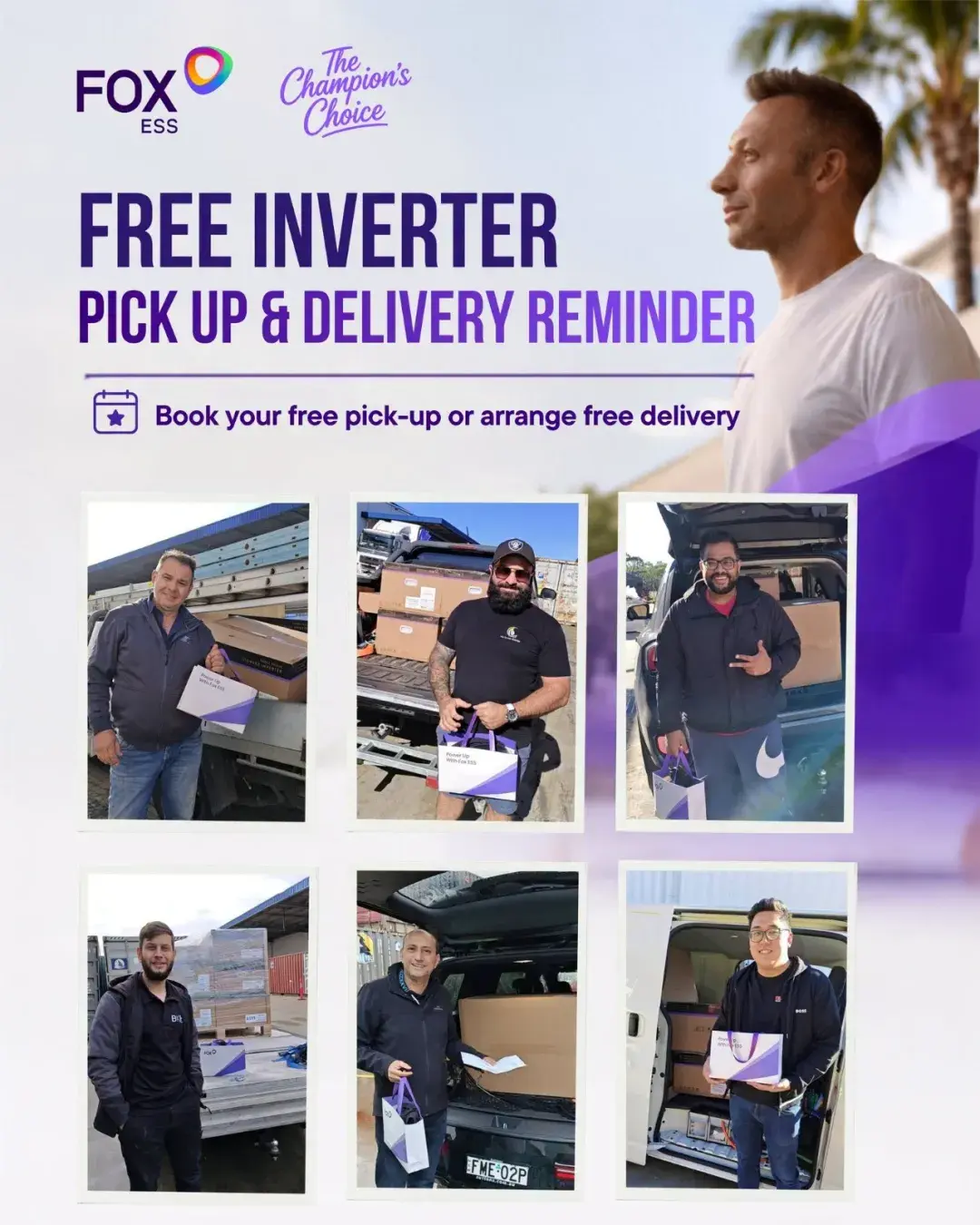
The second is Fox ESS's public brand investment in the Australian market itself, including its Champion's Choice campaign, which signed five‑time Olympic champion Ian Thorpe as its first international ambassador. Pairing visible brand commitment with verified installation records gives Australian buyers two independent signals, rather than one, that the company's local presence is substantial and ongoing.
What Service Support Fox ESS Offers for Australian Customers
Support from Fox ESS in Australia isn't limited to the point of sale. The dedicated service team exists specifically to help installers and distributors work through issues locally, avoiding delays caused by routing problems through an overseas office.
Having offices in both Melbourne and Sydney also means faster response times for time‑sensitive service requests. For an installer managing multiple active jobs, that proximity can be the difference between a same‑week resolution and a prolonged wait.
Anyone with product or technical questions can also reach the company through the Fox ESS contact page, which directs the inquiry to the relevant regional team. This pattern suggests Fox ESS built its support infrastructure in step with its market share gains.
Conclusion — Choosing a Sustainable Energy Solution for Your Home
Fox ESS's current lead in global residential storage systems market didn't come from one good month. It reflects an independently confirmed installation ranking, a third‑party efficiency benchmark, documented field deployments, and a support structure built to match the pace of growth.
Homeowners weighing sustainable energy solutions for their own property have good reason to factor all of this into the decision, especially when the alternative is choosing a provider on price alone.
With customized energy solutions available across household sizes, from compact apartments to larger regional homes, the practical question becomes which capacity tier fits your home, not whether the brand can support it.
References
[1] Frost & Sullivan, Independent Industry Research Report on the Global Residential Energy Storage System Market (2026), 2026.
https://www.image2url.com/r2/default/documents/1785218053677‑cb7b1f99‑5d5a‑426e‑afd3‑fc293e3cf4fc.pdf
[2] Fox ESS, “Fox ESS Ranks No. 1 Globally in Residential Energy Storage,” April 23, 2026.
https://www.fox‑ess.com/news/no‑1‑global‑residential‑energy‑storage
[3] HTW Berlin and aquu, Energy Storage Inspection 2026, 2026.
https://solar.htw‑berlin.de/wp‑content/uploads/HTW‑aquu‑PPT‑Energy‑Storage‑Inspection‑2026.pdf