








As the global transition to renewable energy accelerates, home energy storage systems are becoming an essential component of the modern household. By capturing excess solar energy and storing it for when the sun goes down, these systems provide energy independence, protect against grid outages, and significantly reduce electricity bills. However, as the market expands, one critical differentiator often dictates the true value of an installation: efficiency.
Efficiency matters because every time electricity is converted or moved, a small percentage is lost as heat. Over the 10- to 15-year lifespan of a system, even a 3% or 4% difference in efficiency can equate to thousands of kilowatt-hours of wasted energy. For homeowners and installers alike, the key question becomes: How do you identify the most efficient home energy storage system? To answer this, we must first understand the fundamental mechanics of how these systems operate and the hidden factors that influence their performance.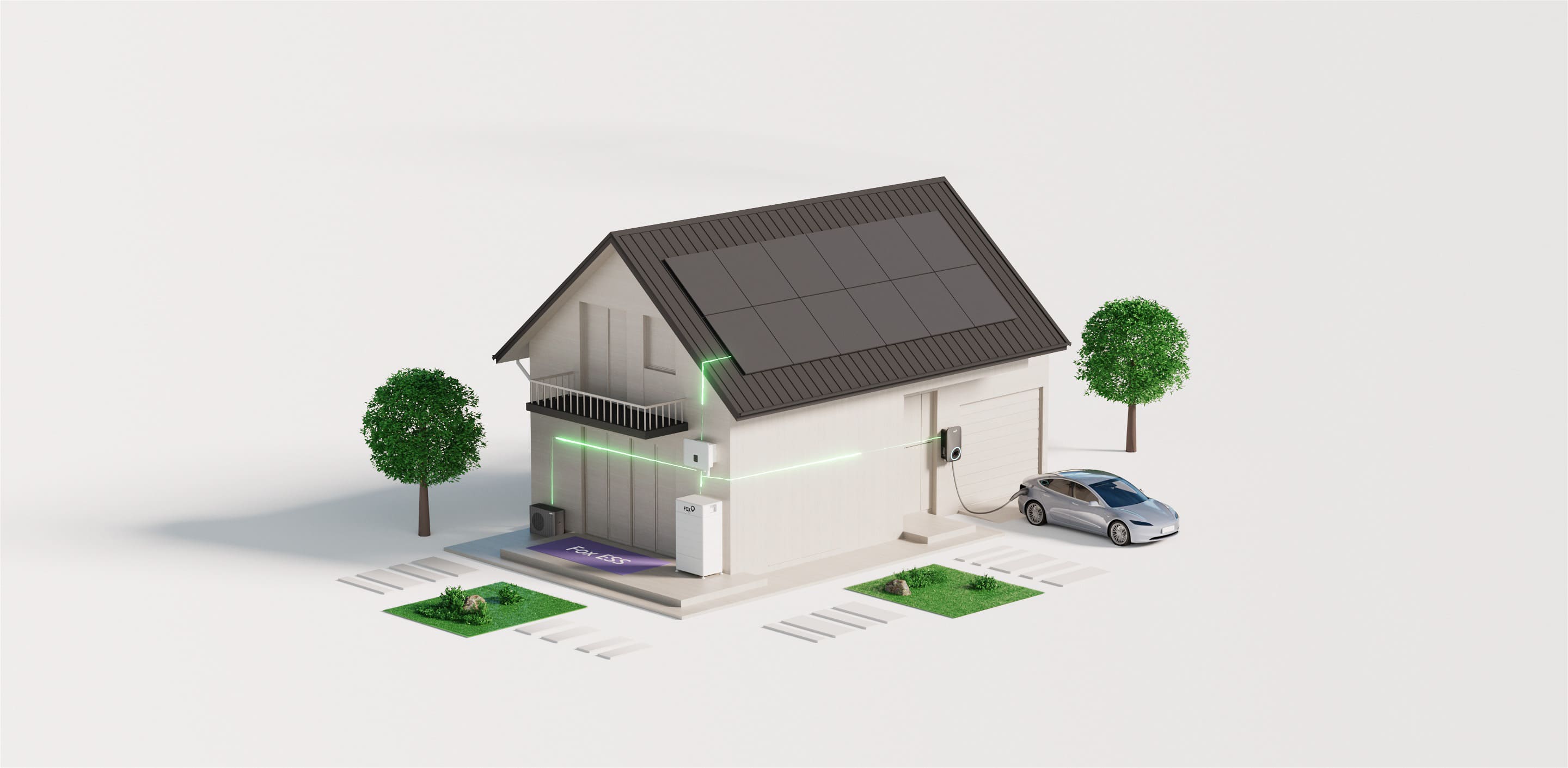
What is a Home Energy Storage System?
At its core, a home energy storage system is a unified network of hardware and software designed to capture, hold, and deploy electrical energy for later household use. While often referred to simply as a “solar battery,” a true storage system is much more comprehensive.
To understand where efficiency losses occur, it is helpful to look at the main components and how they work together:
• The Battery: The chemical heart of the system, typically utilizing lithium-ion technology (such as Lithium Iron Phosphate, or LFP), which physically stores the electrical energy.
• The Inverter: The electrical bridge of the system. Solar panels generate Direct Current (DC), batteries store DC, but your home appliances run on Alternating Current (AC). The inverter is responsible for converting power between these formats.
• The Energy Management System (EMS): The brain of the operation, dictating exactly when to charge the battery, when to discharge it to the home, and when to pull from or export to the grid.
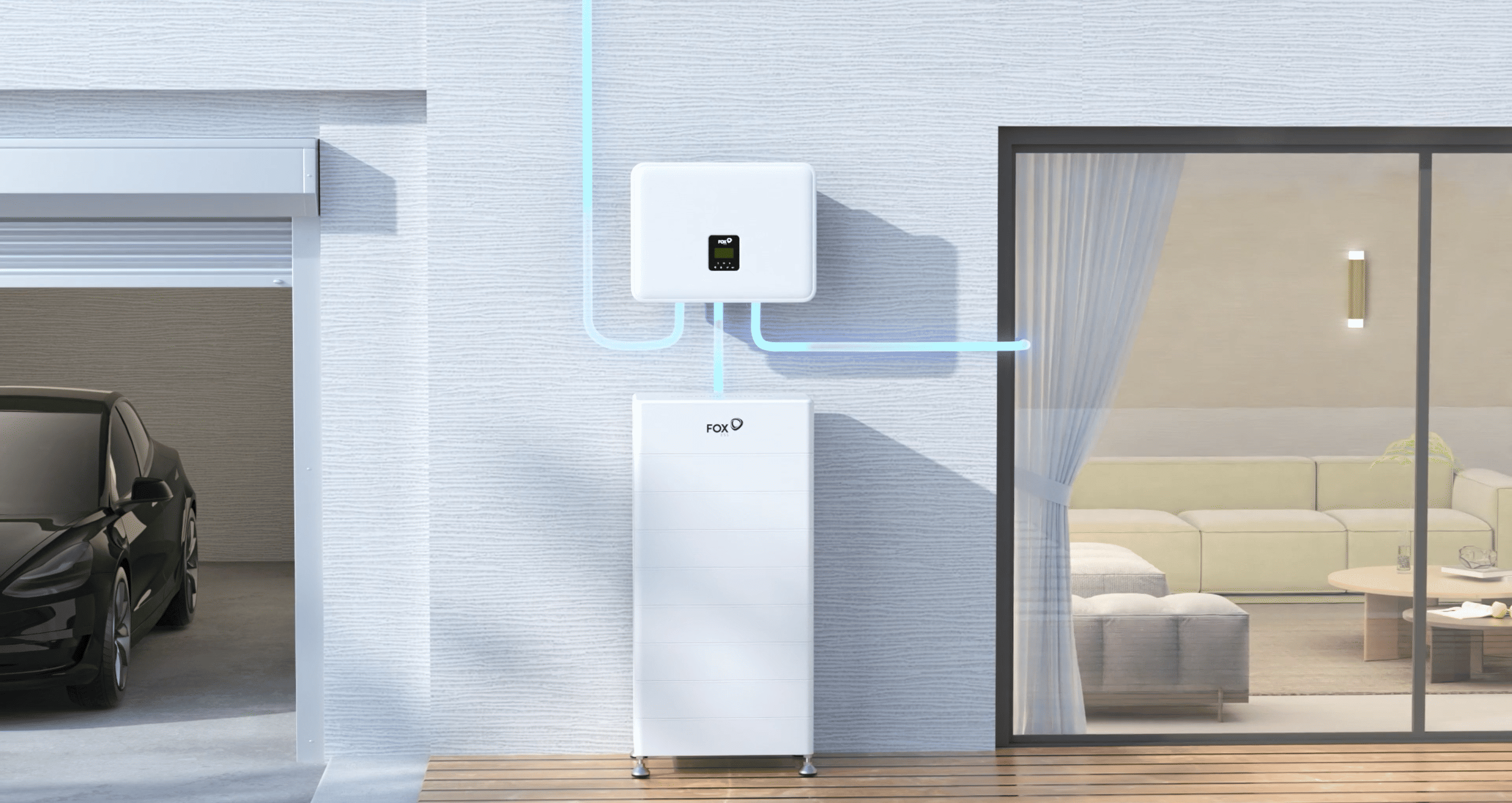
Throughout the daily cycle, these components collaborate. During the charging process, the inverter directs DC power from the solar panels into the battery. During storage, the EMS monitors cell health and maintains system readiness. Finally, during the discharging process, the inverter pulls DC power from the battery, converts it to AC, and delivers it to your household loads. Every step in this cycle represents a potential point of energy loss, which brings us to how we measure overall performance.
How Is Energy Storage System Efficiency Measured?
When evaluating residential energy storage systems, it is easy to get lost in a sea of data sheets. To accurately gauge performance, industry professionals look at several distinct metrics:
1. Battery Efficiency
This measures the chemical efficiency of the battery cells themselves, often referred to as battery round-trip efficiency. It calculates the amount of energy you can extract from the battery compared to the amount of energy it took to charge it. High-quality lithium-based battery storage systems typically exceed 95% at the cell level.
2. Inverter/Conversion Efficiency
This dictates how effectively the inverter translates DC to AC (and vice versa). Because the inverter efficiency curve fluctuates depending on the load, performing differently at 20% capacity versus 100% capacity, manufacturers often use a weighted standard (like European Efficiency) to reflect average daily use.
3. Whole-System Round-Trip Efficiency
This is the ultimate practical metric for homeowners. It combines both battery and inverter losses, representing the total usable AC energy discharged to the home divided by the total AC energy (or equivalent solar DC) originally sent to the system.
4. Standby Consumption
Often overlooked, this is the continuous parasitic power draw required to keep the inverter active, the battery management system (BMS) awake, and the communication modules online. Even a continuous draw of just 40 watts can consume over 350 kWh a year.
5. System Performance Index (SPI)
Developed by HTW Berlin, the SPI is an independent, standardized benchmark that simulates real-world conditions. It accounts for conversion losses, control speeds, and standby consumption to provide a single, holistic efficiency score. Earning a high SPI is exceptionally difficult.
As an example of what is possible through rigorous engineering, our Fox ESS system comprising the PQ-H3-Ultra-10.0 hybrid inverter and EQ3300-5 battery recently achieved a record-breaking 97.0% SPI in the 10 kW class, setting a new benchmark for the industry.[1]
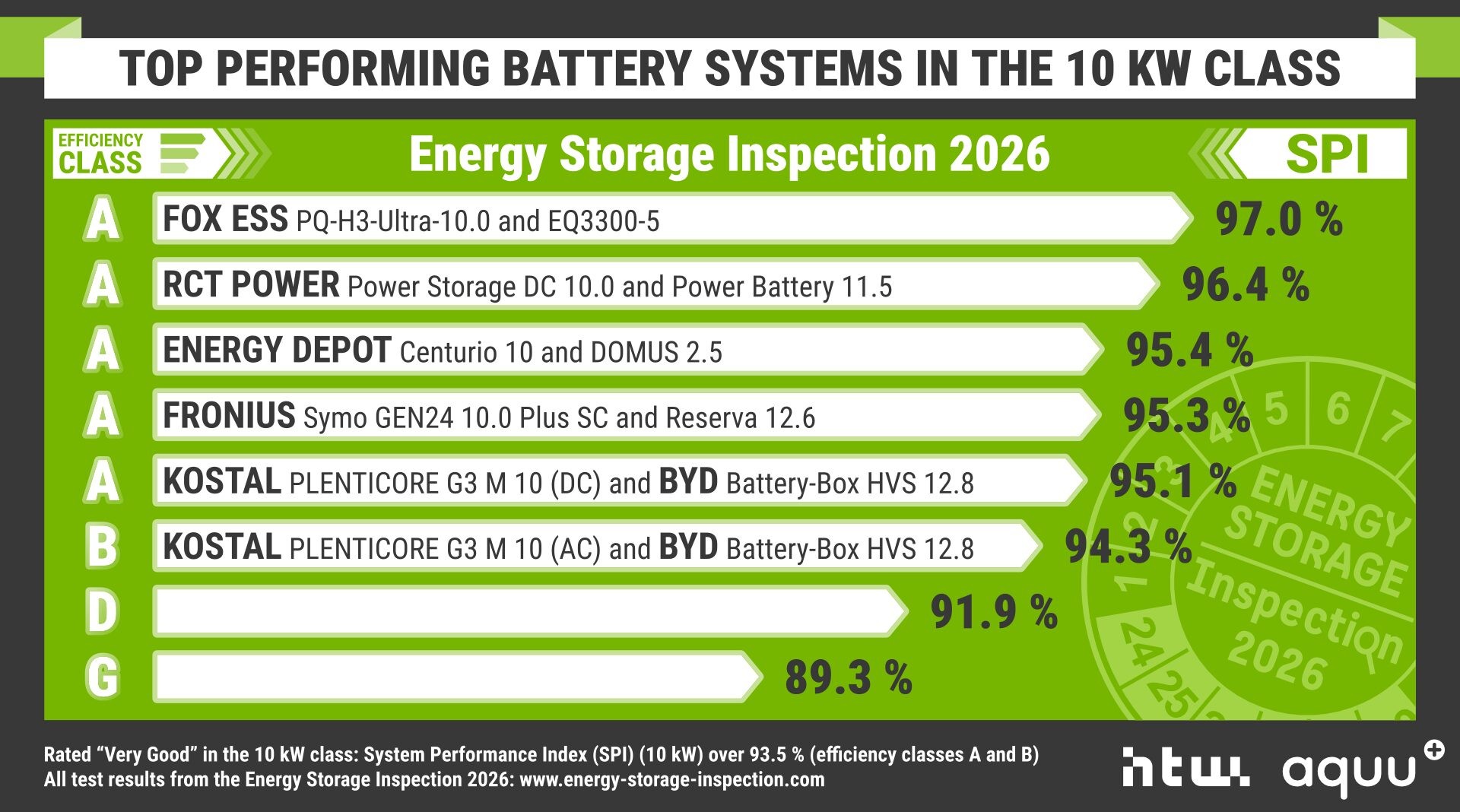
Source: HTW Berlin, Energy Storage Inspection 2026.
What Affects Real-World System Efficiency?
The metrics above tell us how efficiency is measured. Real-world performance, however, depends on the conditions under which a system operates.
1. Battery Chemistry
The internal resistance of the battery chemistry plays a major role. Lithium Iron Phosphate (LFP) is widely favored in residential energy storage systems because of its thermal stability and low internal resistance, which facilitates highly efficient charge and discharge cycles compared to older lead-acid or alternative lithium chemistries.
2. Inverter Efficiency
The inverter is responsible for important energy conversions, particularly in systems that connect DC battery power with AC household loads. Its conversion characteristics across different load levels can therefore influence the amount of usable energy delivered by the system. This is why looking only at a maximum inverter efficiency figure may provide an incomplete picture.
3. System Architecture
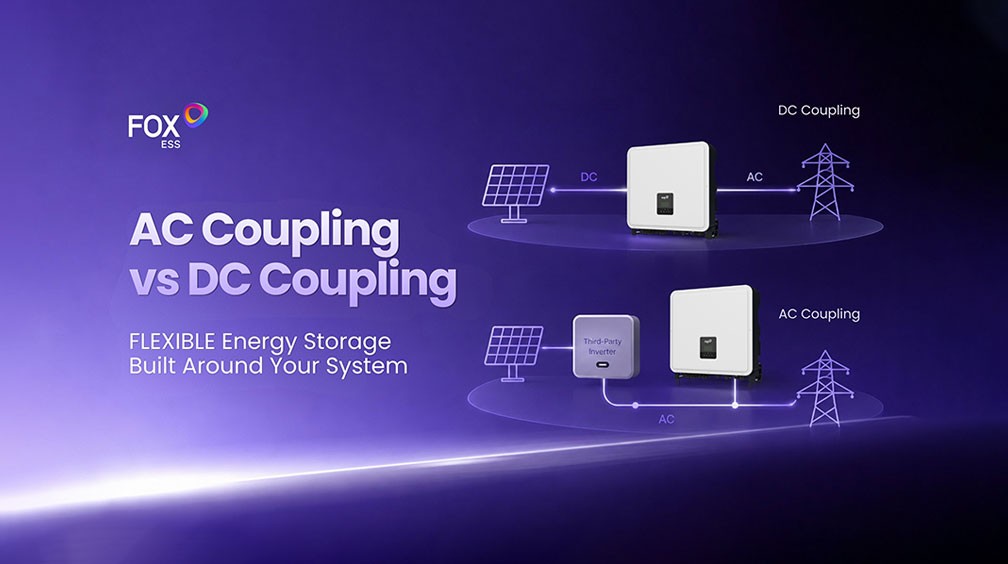
System architecture determines how electricity moves between solar generation, the battery, the inverter, the grid, and household loads. DC-coupled and AC-coupled configurations, for example, use different conversion pathways.
Fewer unnecessary conversion steps can reduce opportunities for energy loss. However, the most appropriate architecture depends on the system design, application, and operating requirements.
4. Temperature Management
Battery performance is affected by temperature. Excessive heat or cold can influence charging and discharging behavior and may require thermal management to maintain appropriate operating conditions.
For this reason, installation environment and thermal design should be considered alongside the headline efficiency figures on a product datasheet.
5. Standby Consumption
As discussed above, standby losses continue even when the system is not actively transferring large amounts of energy. Over an extended operating period, these small continuous loads can contribute meaningfully to total system losses.
An efficient system therefore needs to manage both active conversion losses and the energy consumed during periods of low or no power transfer.
How High-Voltage Batteries and Hybrid Inverters Can Improve Efficiency?
Two of the most effective technological strategies for maximizing efficiency are the implementation of high-voltage architectures and hybrid inverters.
In electrical engineering, power is the product of voltage and current (P = V × I). To deliver a specific amount of power, you can either use high current and low voltage, or high voltage and low current. Higher current generates more heat through electrical resistance in the cables and internal components (I²R losses). By utilizing high-voltage battery stacks (often ranging from 200V to 400V or more), we can significantly reduce the internal current. This minimizes thermal losses, allowing the system to operate more efficiently and safely without the need for thick, heavy internal cabling.
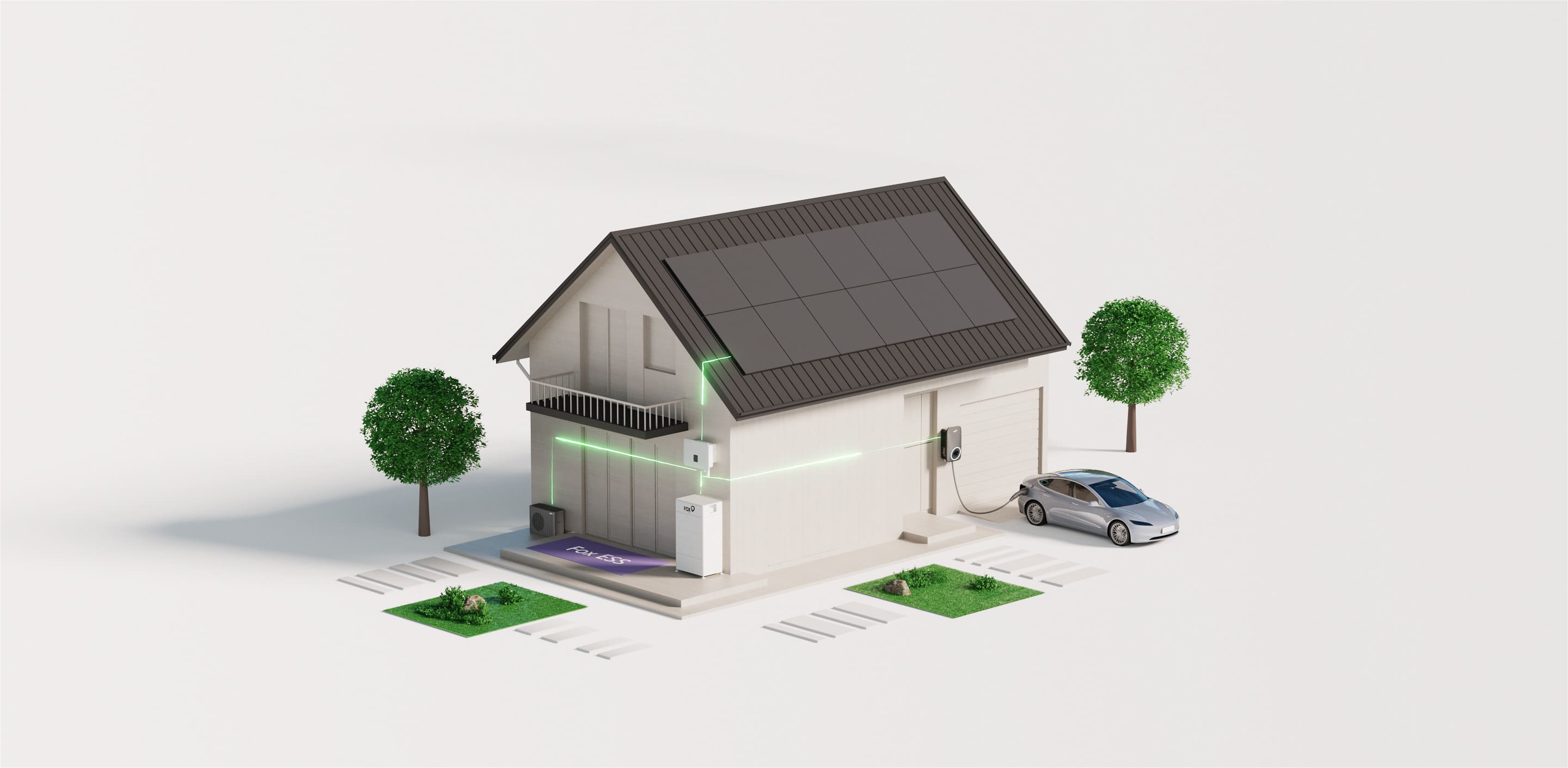
Hybrid inverters can also simplify energy management by integrating multiple energy pathways within one system. Instead of treating solar generation, battery storage, and household consumption as completely separate processes, a hybrid inverter can coordinate these flows and manage DC-to-AC and AC-to-DC conversion according to system conditions.
Therefore, perhaps the most crucial factor in maximizing efficiency is matching the inverter and the battery as a complete system rather than evaluating individual components in isolation. When the BMS and the hybrid inverter are designed by the same manufacturer to communicate seamlessly, they can co-optimize charge rates, balance voltages perfectly, and minimize standby power, resulting in a cohesive ecosystem that outperforms mismatched, third-party component pairings.
A Benchmark in Efficiency: The Fox ESS Home Energy Storage System
We believe that true efficiency is achieved not by maximizing a single specification, but by harmonizing the entire system. At Fox ESS, our integrated approach to residential energy storage relies on pairing advanced hybrid inverters with our high-voltage modular batteries to create a deeply co-optimized ecosystem.
This engineering philosophy was recently validated in the prestigious 2026 Energy Storage Inspection conducted by HTW Berlin and AQUU. Our integrated system, comprising the PQ-H3-Ultra-10.0 hybrid inverter and the EQ3300-5 high-voltage battery, achieved a groundbreaking 97.0% System Performance Index (SPI). Ranking first in the 10 kW class, this system demonstrated an exceptional average efficiency of 97.6% alongside a remarkably low standby power consumption of just 4 watts. This benchmark proves that with the right architecture, homeowners can ensure nearly every drop of solar energy generated is preserved for their actual use.
FAQs About Home Energy Storage System Efficiency
1. What is a good efficiency for a home energy storage system?
Typical residential systems on the market today offer a round-trip efficiency of roughly 90% to 94%. High-performance systems sit around 95% to 96%. A system that achieves 97% or higher is considered industry-leading and represents the top tier of currently available technology.
2. How can existing energy storage systems be optimized for peak performance?
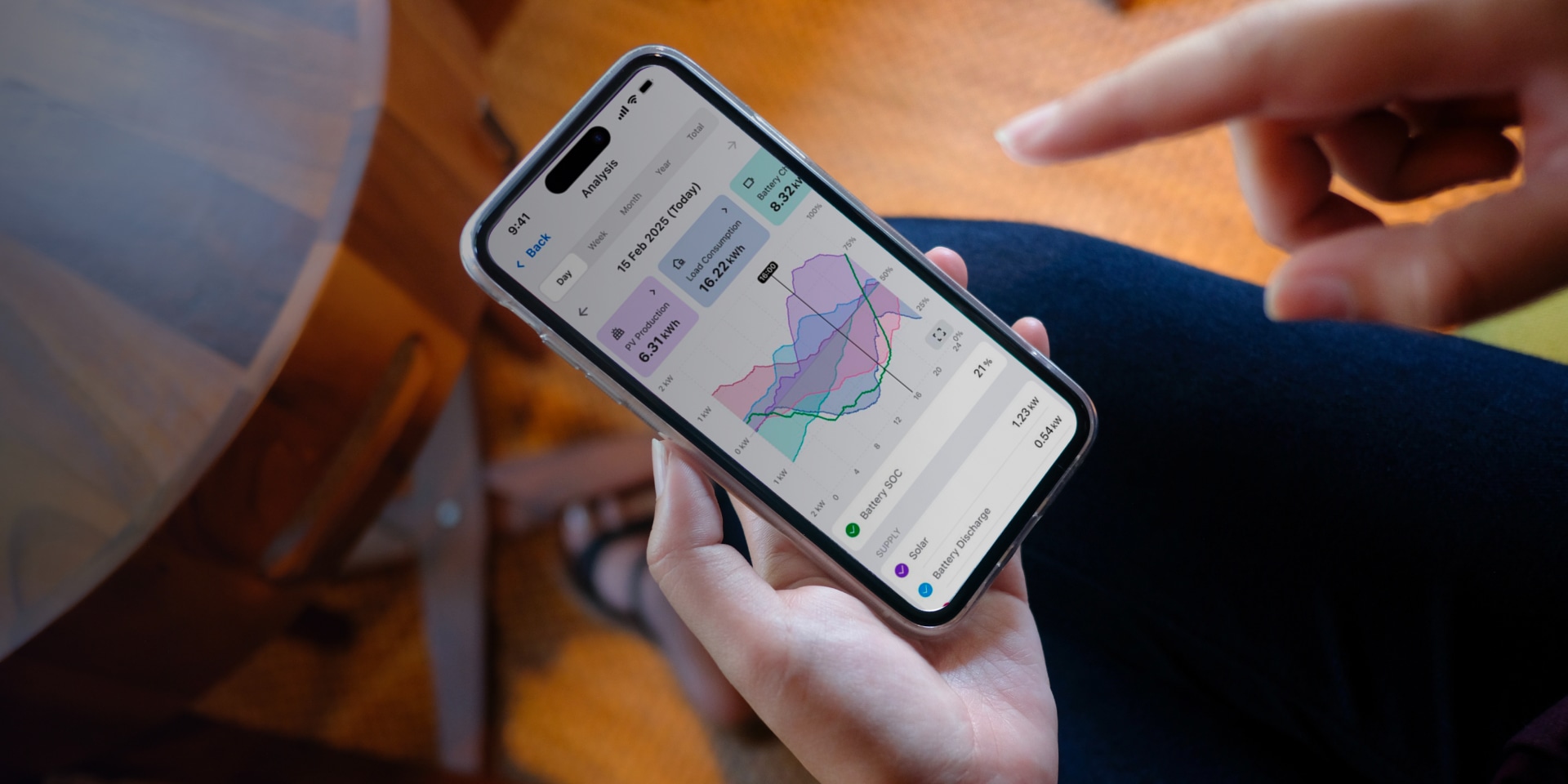
Start with correct system sizing and installation. Keeping the battery and inverter within their recommended operating conditions, maintaining suitable ambient temperatures, updating system controls where appropriate, and minimizing unnecessary standby loads can all support efficient operation. Monitoring actual energy flows can also help identify unusual losses or operating patterns.
3. Does battery efficiency degrade over time?
Yes, slightly. Over thousands of cycles, a battery's internal resistance naturally increases, and its overall capacity fades. While this primarily affects how much energy the battery can hold, the increased resistance also causes a minor drop in round-trip efficiency as the system ages.
4. Why might real-world efficiency differ from manufacturer specifications?
Datasheet figures are generally measured under defined laboratory or test conditions. Actual operation involves variable loads, temperatures, charge and discharge levels, control behavior, standby consumption, and system configuration. These factors can cause real-world efficiency to differ from a headline specification.
Conclusion
Understanding home energy storage systems is about more than just looking at the total storage capacity; it is about recognizing how efficiently that system utilizes the energy it is given. By prioritizing high-voltage architectures, DC-coupled hybrid inverters, and fully integrated ecosystems, homeowners can minimize conversion losses and maximize their return on investment. Whether you are aiming for complete energy independence or simply looking to reduce your utility bills, prioritizing system efficiency ensures that the clean energy you generate is fully realized in your home.
References
[1] The new winners of the Energy Storage Inspection are Fox ESS, SMA, SAX Power, Kostal, and BYD. Available at: https://solar.htw-berlin.de/publikationen/energy-storage-inspection-2026/. Accessed August 27, 2026.