








As global adoption of renewable energy accelerates, the transition toward decentralized power generation has made energy storage an essential component of the modern home. However, the successful deployment of residential energy storage systems relies heavily on two critical phases: installation and commissioning. These processes can significantly affect the time, labor, and overall complexity involved in bringing a home onto a self-sustained energy loop.
For homeowners, a lengthy installation means prolonged disruption and higher labor costs. For solar and storage installers, complex configurations and heavy, cumbersome components limit the number of projects that can be completed in a day.
So, what product and system design features can make an energy storage system easier to install and commission? Let’s explore.
Key Takeaways
A residential energy storage system is easier to install and commission when it features:
Modular & Lightweight: Stackable components allow for easy, single-person installation.
Plug-and-Play: Standardized connections eliminate complex, error-prone wiring.
App-Guided Setup: Smart wizards automate inverter configuration and grid settings.
Remote Management: Cloud platforms enable instant diagnostics and seamless system verification.
Before Installation: What Conditions Affect Installation Complexity?
Energy storage installation complexity depends largely on the installation environment and system requirements. Key factors include:
Available space: The battery, inverter, and other equipment need adequate installation space and manufacturer-specified clearances.
Electrical system and capacity: The existing electrical infrastructure, grid connection, distribution board, and backup requirements can affect system configuration.
Installation location and cable routing: Indoor or outdoor conditions, as well as the distance and routing between key components, can affect installation work.
Local regulations: Electrical codes, grid requirements, permits, and inspections vary by market and may add to the installation process.
What Product Features Make a Home Battery Easier to Install?
Once site conditions are validated, the physical characteristics of the hardware itself dictate the speed and safety of the job. There are some features to reduce installation complexity significantly:
1. Integrated and All-in-One Architecture
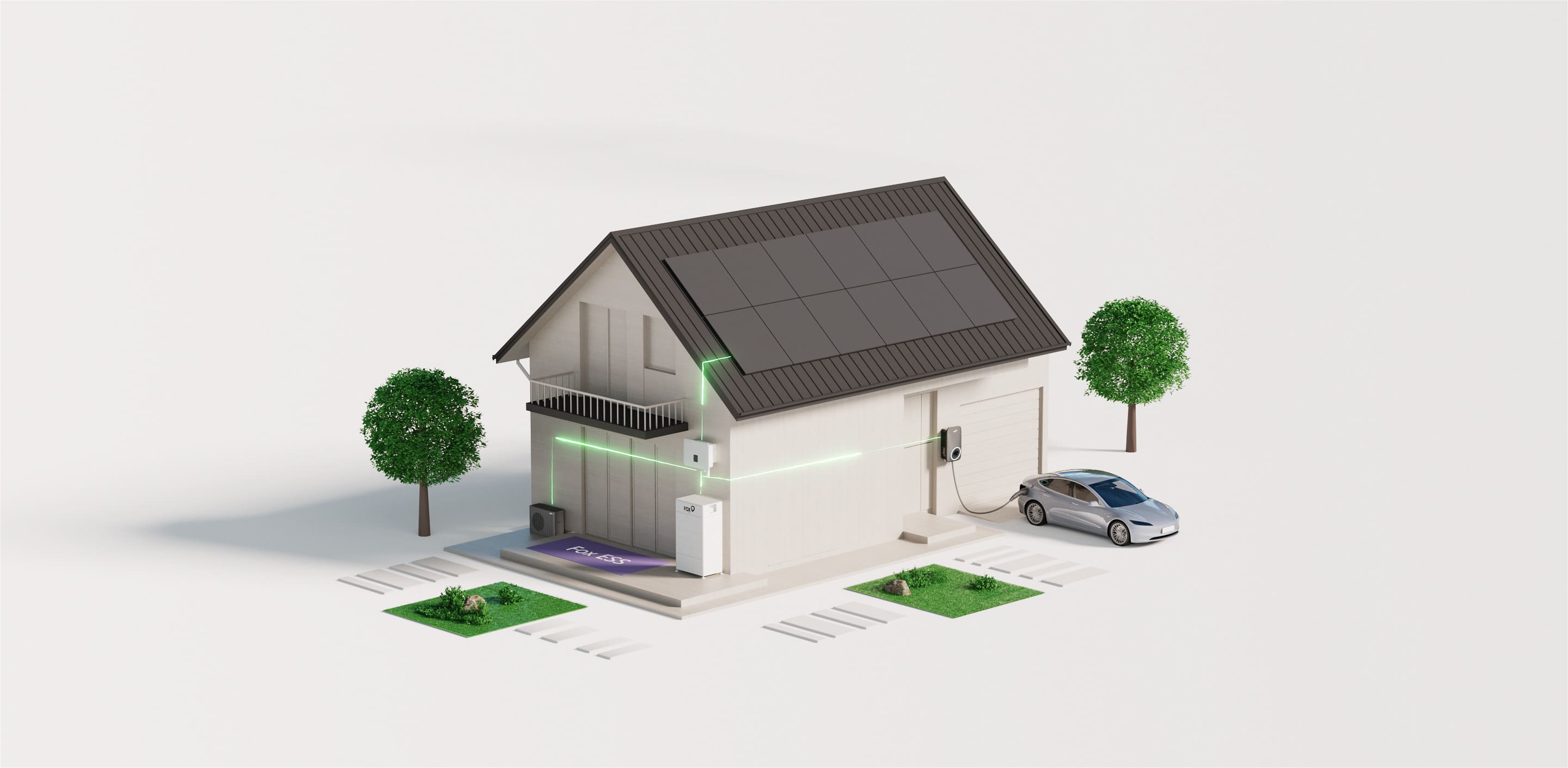
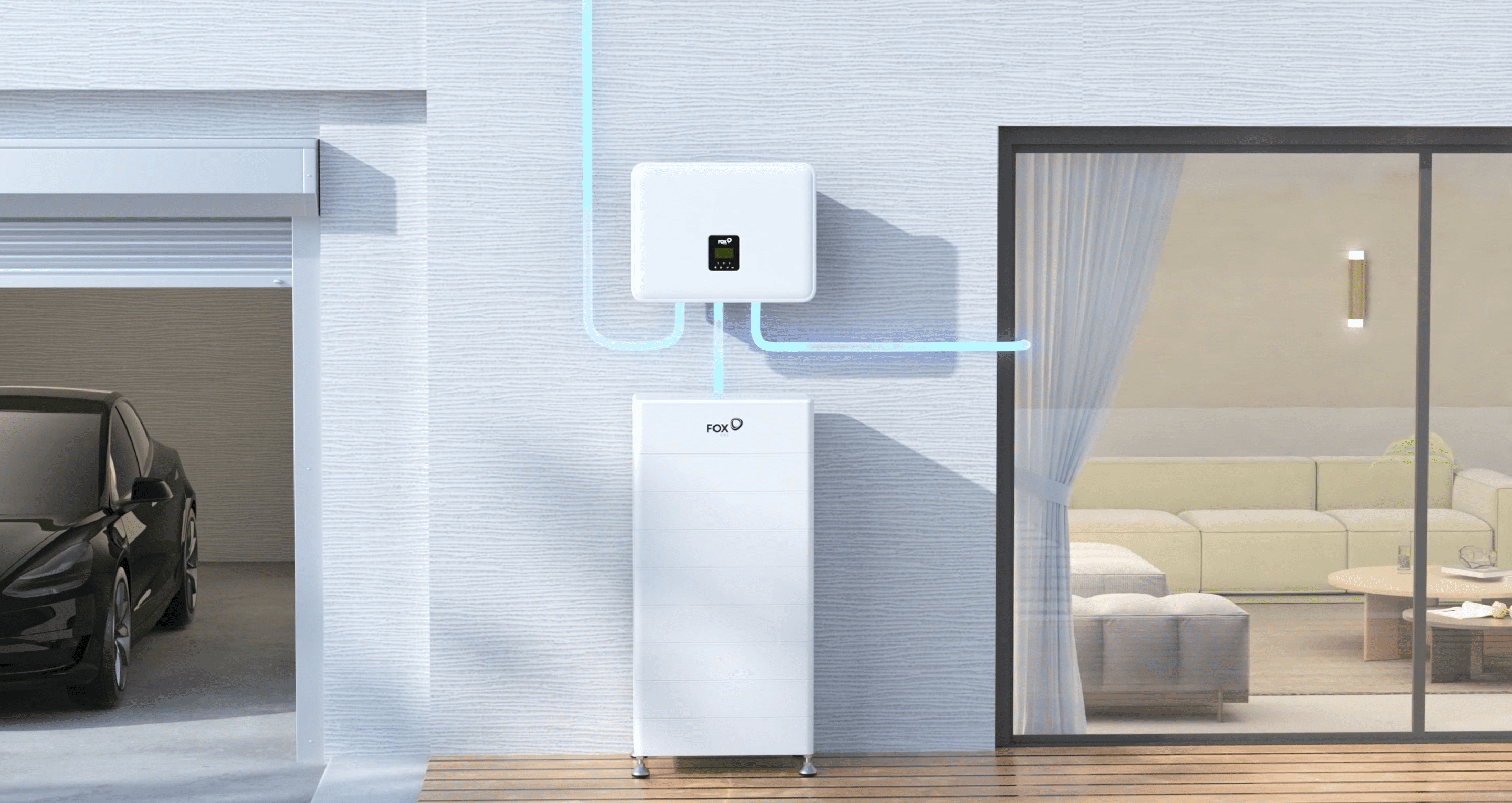
An integrated all-in-one architecture can simplify residential energy storage installation by combining key components, such as the hybrid inverter and battery modules, into a coordinated system.
With fewer separate devices to mount and connect, installers can reduce inter-device wiring, simplify cable management, and use available installation space more effectively. A more integrated design can also provide a cleaner, more organized appearance after installation.
2. Standardized or Plug-and-Play Connections
Wiring is traditionally the most time-consuming and error-prone aspect of battery storage installation. Stripping wires, crimping terminals, and securing lugs take time and introduce the risk of loose connections, which can lead to system faults or thermal events.
Modern systems utilize standardized, plug-and-play connections. Using industry-standard interfaces like MC4 connectors for photovoltaic (PV) input and proprietary click-to-connect cables for battery communication and power, installers can securely link components in seconds. These keyed connectors are designed to be foolproof, preventing reverse polarity and ensuring a secure, weather-tight seal without the need for specialized electrical tools.
3. Built-in Protection and Fewer Separate Components
Electrical safety codes require various protection mechanisms, including DC isolators, surge protection devices (SPDs), and rapid shutdown transmitters. When these components must be sourced and mounted externally, it adds hours to the labor clock.
Advanced energy storage systems integrate these safety mechanisms directly into the inverter chassis. By utilizing built-in protection, installers deal with fewer separate components, reducing points of failure and simplifying compliance with local electrical codes.
4. Modular Design and Manageable Component Weight
Battery cells are inherently dense and heavy. A single, monolithic battery unit can weigh hundreds of pounds, requiring specialized lifting equipment or a multi-person crew just to move it into the designed installation place.
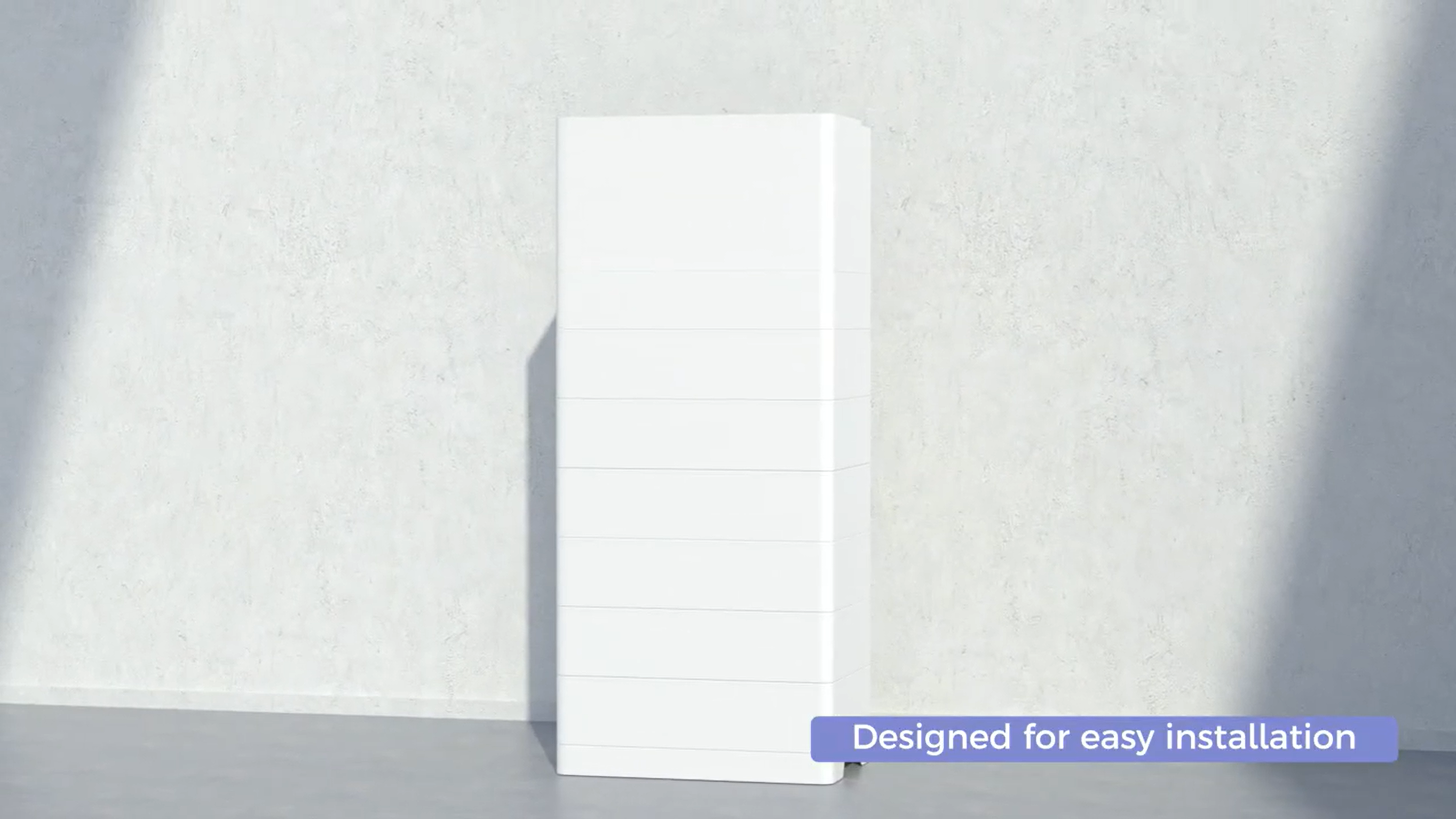
This is where modular energy storage system designs revolutionize the process. By breaking the battery capacity down into smaller, stackable modules, a single technician can comfortably transport and stack the system. This modularity not only protects the physical health of the installation crew but also allows homeowners to easily scale their storage capacity in the future by simply adding another block to the stack.
What Makes Commissioning Easier?
Commissioning is the critical step where hardware is energized, software is configured, and the system is synchronized with the local utility grid. A streamlined commissioning process is just as vital as an easy physical installation.
1. Guided or Predefined Configuration
In the past, programming an inverter required scrolling through obscure menus on a small LCD screen, inputting complex parameters manually. Today, intelligent systems utilize Bluetooth or local Wi-Fi to connect directly to an installer's smartphone.
Through a dedicated mobile app, installers are guided through a step-by-step, wizard-based configuration. Predefined templates allow technicians to select the specific battery model, and the system automatically populates the correct voltage, current limits, and charging profiles.
2. Communication, Meter, and Grid-Setting Checks
A frequent hurdle during commissioning is ensuring that the smart meter and Current Transformers (CTs) are communicating correctly with the inverter. If a CT is installed backward, the system will misread grid exports as imports, completely destabilizing the energy management logic.
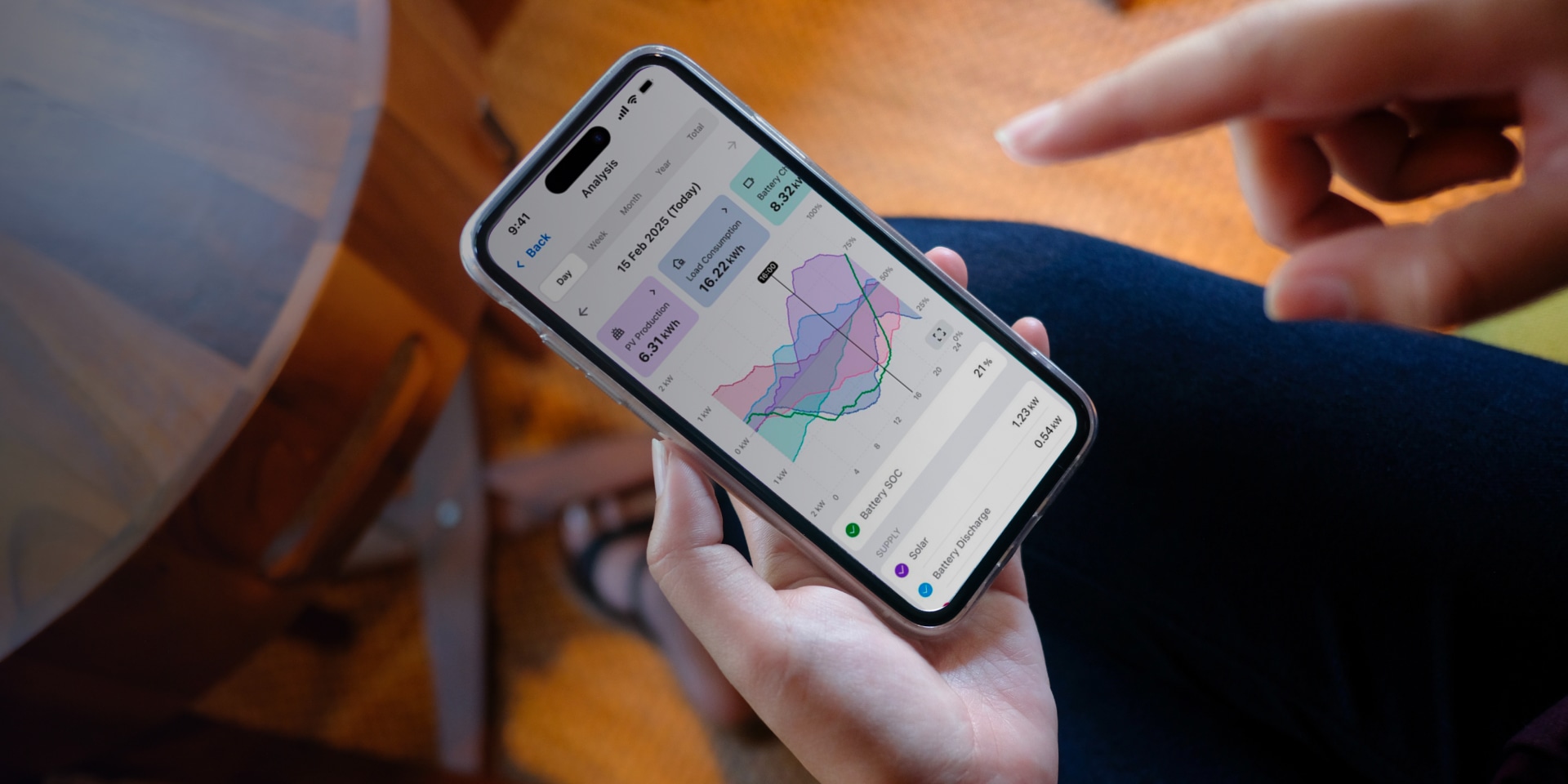
User-friendly commissioning tools include diagnostic screens that visualize real-time energy flow, allowing the installer to instantly verify meter direction and communication status. Additionally, selecting the local grid code from a drop-down menu ensures immediate compliance with regional voltage and frequency regulations.
3. Functional Tests and Customer Handover
Before an installer leaves the site, they must prove the system works under stress. Easy-to-commission systems feature automated testing sequences. With the push of a button, the system can simulate a grid failure, forcing the inverter to seamlessly switch to off-grid mode and supply the home's critical loads.
Once the functional test passes, generating a commissioning report and handing over digital access to the homeowner takes only a few minutes.
How Does Monitoring Support System Verification and Maintenance?
The installation and commissioning of residential energy storage systems do not truly end when the installer drives away. Continuous monitoring is the bridge between a successful deployment and long-term system health.
Remote monitoring platforms play a dual role. For the homeowner, mobile apps provide total visibility into their energy ecosystem. They can see real-time solar production, battery state of charge (SOC), and home consumption, empowering them to adjust their energy habits.
For installers, robust web portals offer a bird's-eye view of their entire fleet. If a system experiences an anomaly, such as a grid overvoltage or a battery temperature warning, the monitoring portal immediately flags the issue. Often, installers can push remote firmware updates or adjust parameters without ever rolling a truck to the site, drastically reducing maintenance costs.
Fox ESS Solutions Designed for Easier Installation and Commission
Fox ESS was born from a simple belief: the sun shines on everyone, so its power should too. This belief is expressed through Life by Sunshine, our brand philosophy, and it guides us to remove practical barriers between families and clean energy—from installation and commissioning to everyday system management.
Higher, Faster, and Smarter is how we translate that belief into product design: higher system performance, faster installation, and smarter commissioning and energy management.
Higher
Fox ESS systems boast industry-leading inverter efficiency, ensuring that the maximum amount of generated renewable energy is captured, stored, and utilized.
Faster
Our highly integrated architectures and plug-and-play wiring drastically reduce the number of installation steps. Installers spend less time on site, accelerating project timelines.
Smarter
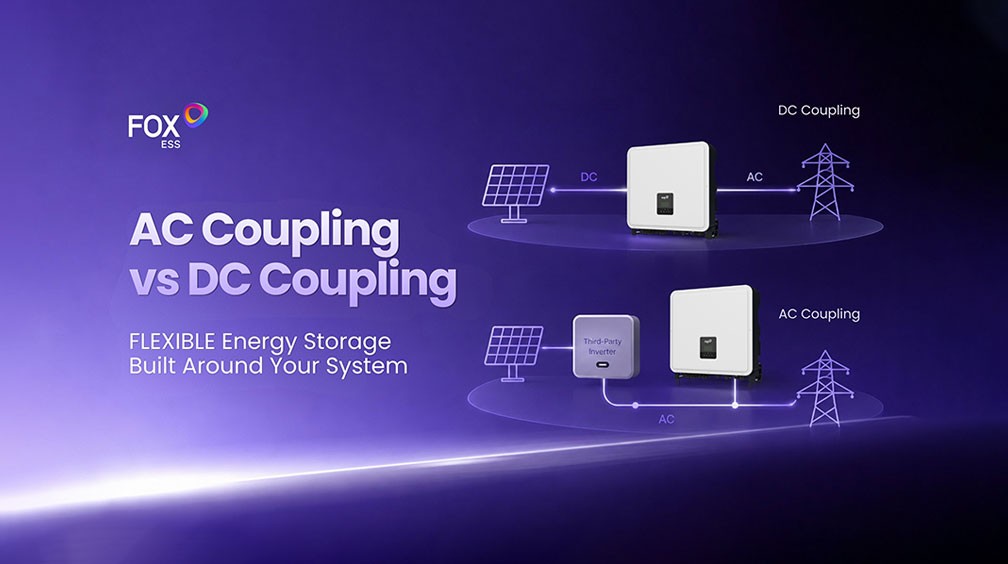
Compatible system architecture and simplified configuration help reduce manual setup and troubleshooting, giving installers a clearer path from connection to commissioning.
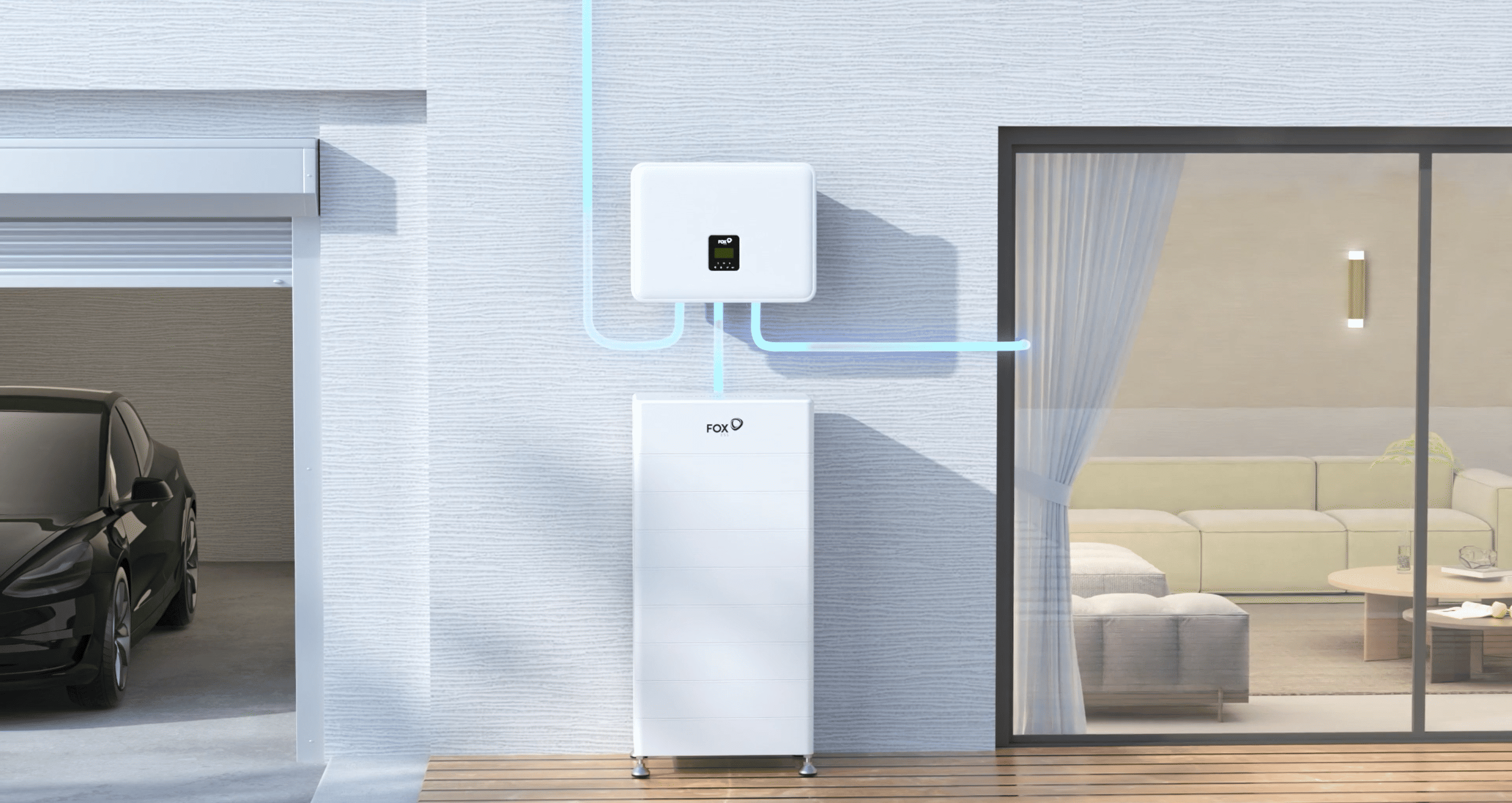
A practical example is the Power Cube, which uses a modular, stacked design that separates the inverter from the battery modules while allowing them to work together without conventional cable connections between the modules. This plug-and-play architecture simplifies installation and enables installers to flexibly combine different power and capacity configurations to meet project requirements.
When paired with FoxCloud 2.0, installers can also perform system diagnostics and commissioning more efficiently, reducing the need for complex on-site troubleshooting.
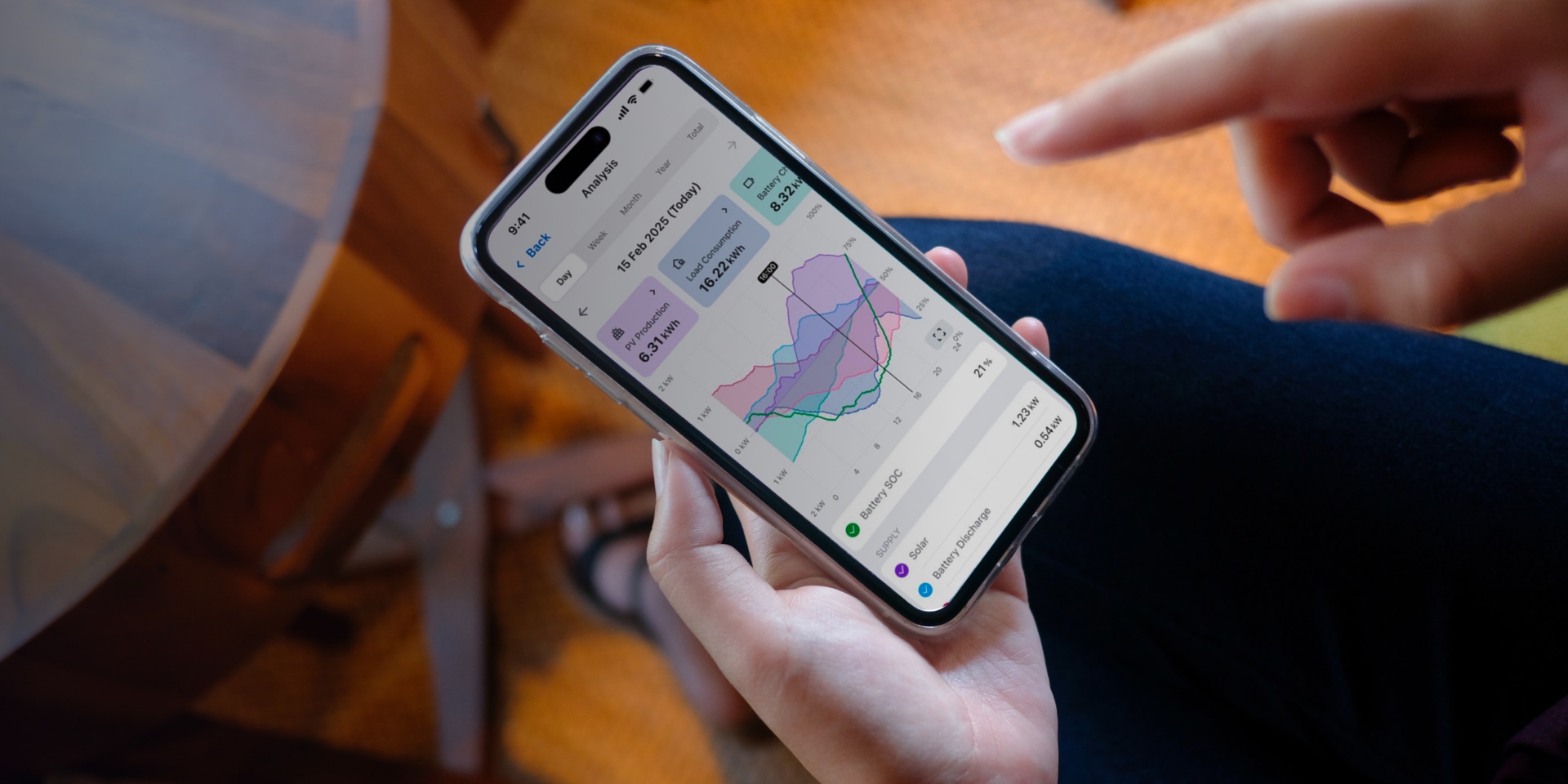
This combination of modular hardware and digital support helps simplify the path from installation to commissioning while giving installers greater flexibility across different residential projects.
Conclusion
An easy-to-install energy storage system depends on more than a simple physical setup. Site conditions, system architecture, component integration, connection design, protection, modularity, commissioning procedures, and monitoring capabilities can all influence the overall installation experience.
At Fox ESS, we incorporate these principles into our residential energy storage solutions through integrated architectures, modular battery designs, simplified installation approaches, high-efficiency power conversion, and connected monitoring through FoxCloud 2.0.
Looking for a residential energy storage solution designed with installation, commissioning, and long-term system management in mind? Explore Fox ESS solutions to find the right configuration for your project.