






A Promise to Thailand: Fox ESS Wraps Up Its 2026 New Product Launch Ceremony
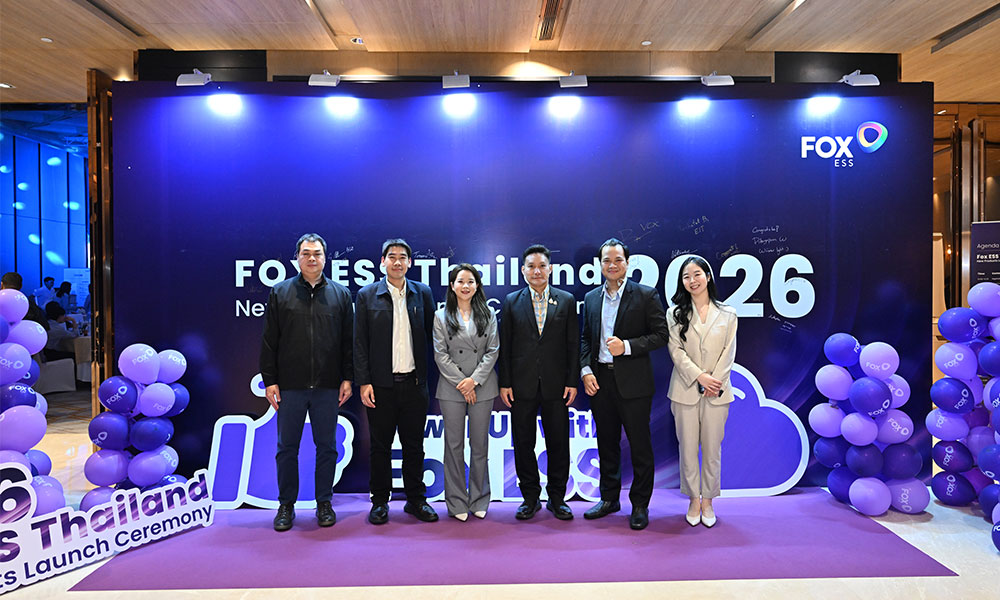
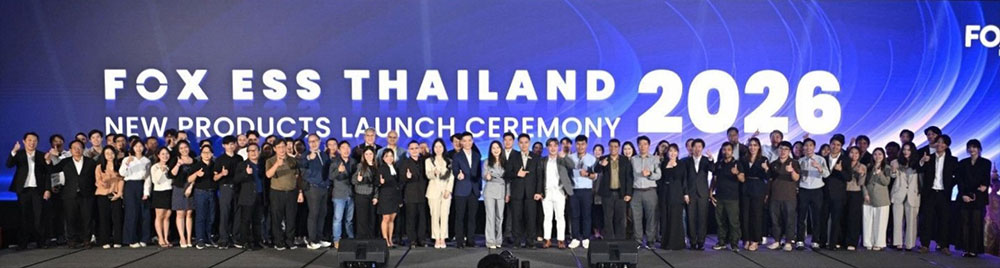
Fox ESS, a leading provider of renewable energy solutions, successfully held its THAILAND NEW PRODUCT LAUNCH CEREMONY 2026 on April 8, 2026, in Bangkok. The event welcomed approximately 200 guests, including key Thai customers and industry partners.
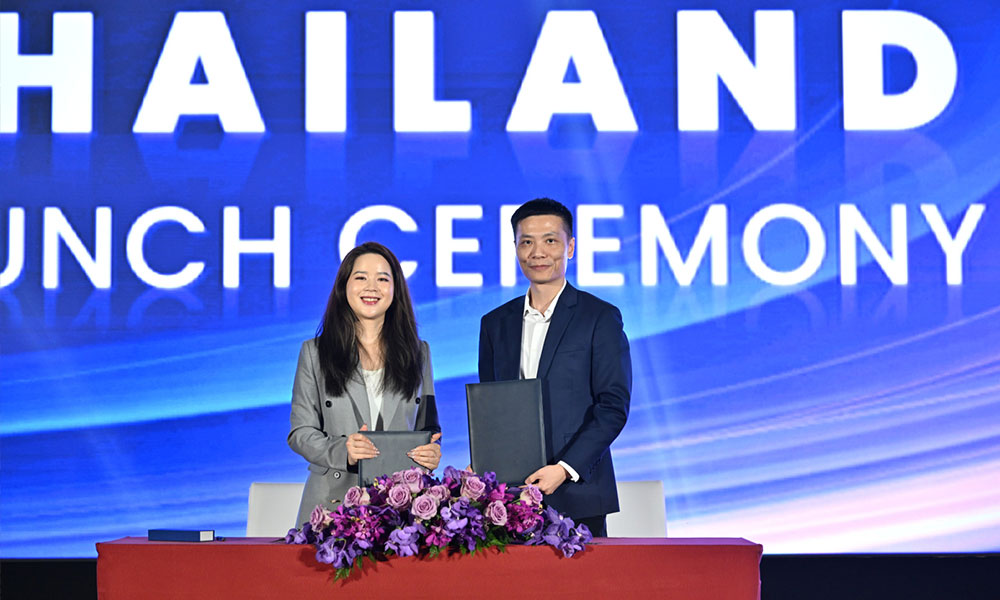
Cementing Strategic Partnership with ICBC (Thai)
At the core of the event, Jane Huo, APAC Regional Director of Fox ESS, and Mr. Baoquan He, Senior Executive Vice President of ICBC (Thai) Leasing Company Limited, took part in an on-site signing ceremony for strategic cooperation. This collaboration enables local customers to access loan services from ICBC Thailand, making Fox ESS smart energy solutions more accessible and affordable across the region. (Borrow when necessary and within your means. Effective interest rates are at 5.94%-13.68% per annum.)
“Financing is often the key step between planning and implementation. Through this strategic cooperation with Fox ESS, we aim to make solar and storage adoption smoother for businesses and households in Thailand, enabling more customers to enjoy smarter energy solutions with peace of mind.” said Mr. Baoquan He.
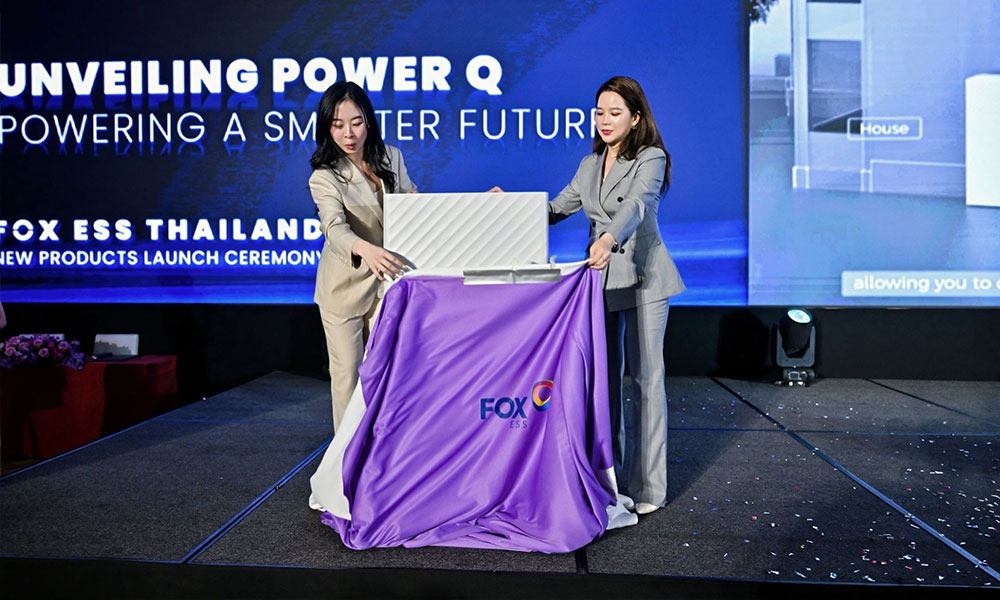
Unveiling New Products for the Thai Market
Jane Huo and Savi Lin, Regional Manager of Fox ESS Thailand, jointly unveiled Power Q, Fox ESS’s all-in-one three-phase hybrid system, engineered to meet Thailand’s needs—where strong sunshine, rising electricity costs, and growing demand for energy independence are key drivers.
During the event, Fox ESS Thailand provided on-site technical support and product explanations, including Power Q, P100, G-Max Plus, P3 Plus, and related system solutions.
In addition, the event provided practical guidance on Thailand’s Solar Rooftop tax deduction policy—offering up to 200,000 THB for eligible new on-grid rooftop solar systems, including battery energy storage.
To celebrate with attendees, the ceremony featured three rounds of giveaways, including physical prizes and coupon deduction vouchers.
Customer representatives also shared real-world business cases involving Fox ESS in Thailand’s commercial and industrial (C&I) scenarios, highlighting how the solutions can improve energy efficiency and support Thailand’s energy transition goals.
“We launched three products for Thailand because we understand its realities—strong sunshine, rising bills, and the drive for energy independence. We listened, optimized for local heat and grid needs, and today marks more than a product launch—it’s a promise to deliver reliable value and lasting partnership for our customers.” said Jane Huo.


Latest Posts

-
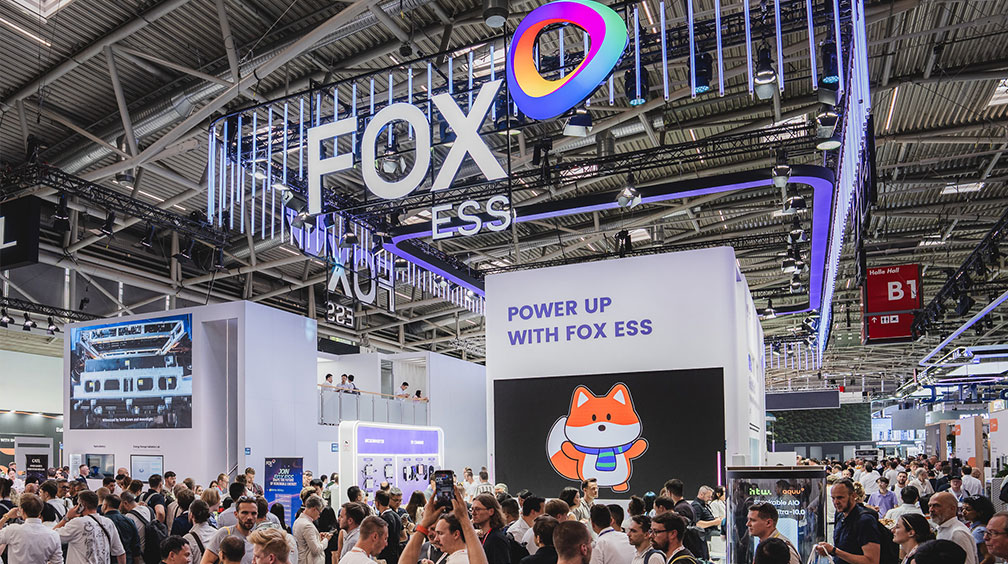 June 26, 2026Fox ESS Shines at The Smarter E Europe 2026 with Full-Ecosystem Offerings and AI-Driven Booth Experience


-
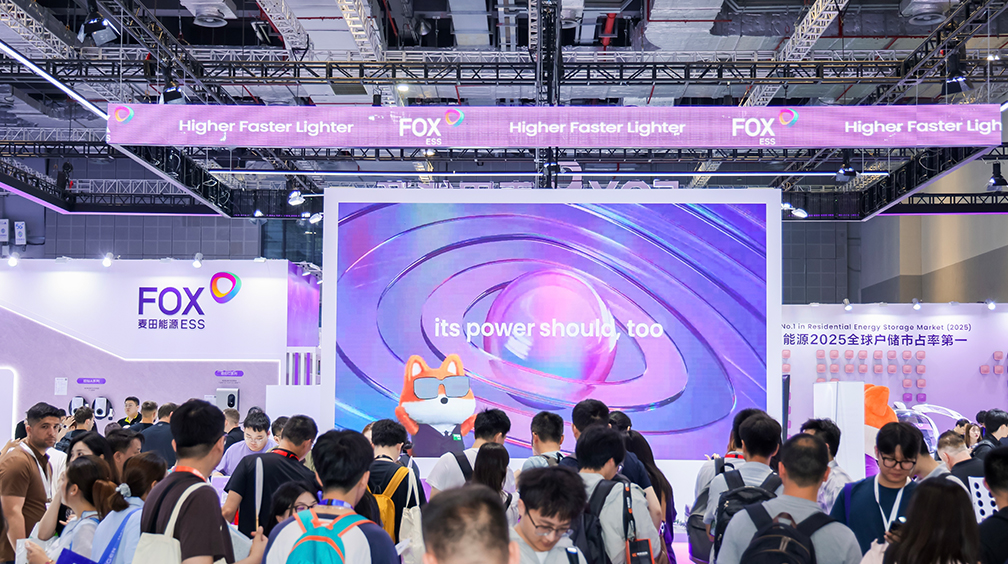 June 05, 2026Fox ESS Unveils Dynamic Energy Ecosystem Alongside Its First Rebrand Area at SNEC 2026
-
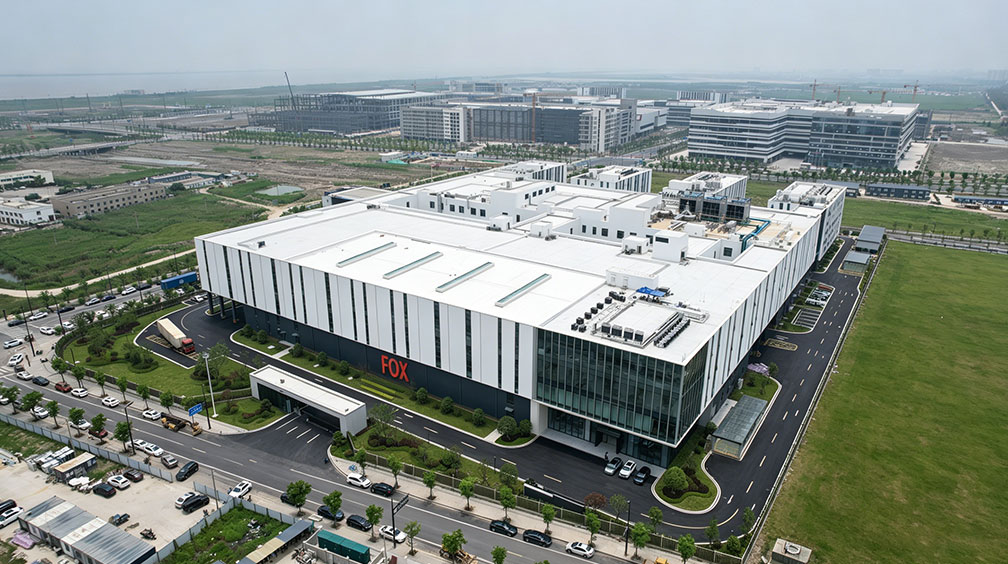 June 02, 2026Fox ESS Opens Second Factory in Wenzhou to Meet Growing Global Energy Storage Demand
-
 May 28, 2026Fox ESS Announces Its Rebrand Ahead of SNEC Exhibition, Unveiling A New Brand Journey
-
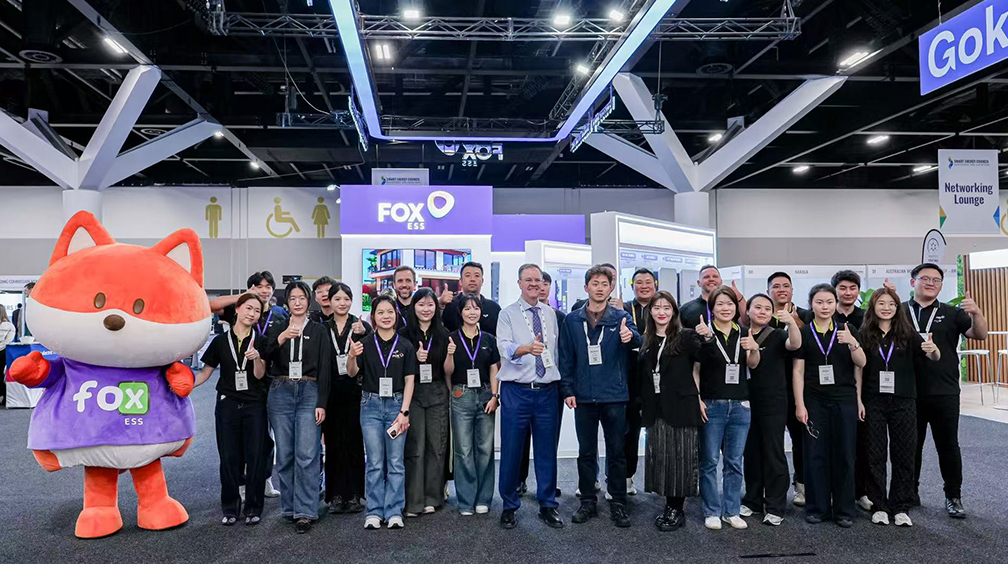 May 07, 2026Fox ESS Celebrates Strong Momentum with Integrated Solar Storage & Charging Solutions at Smart Energy 2026
-
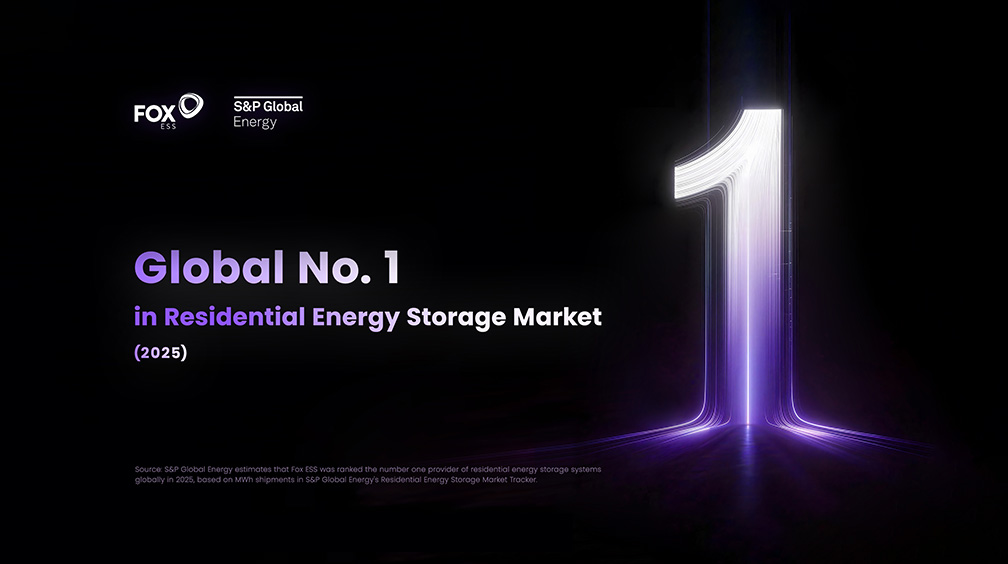 April 23, 2026Fox ESS Ranks No. 1 Globally in Residential Energy Storage